
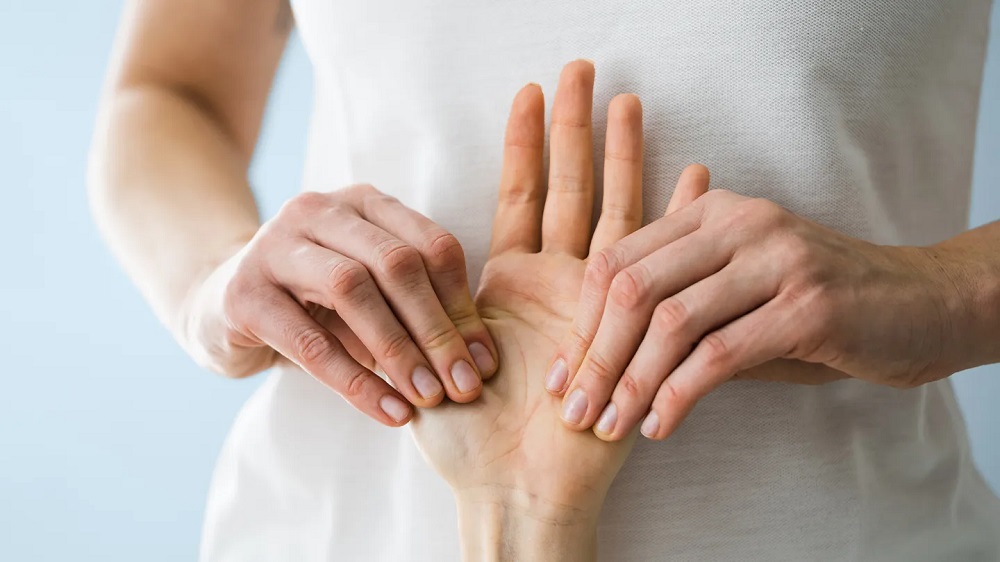

Modern healthcare has made extraordinary strides in emergency medicine, surgical interventions, and pharmaceutical treatments. However, many individuals navigating chronic stress, fatigue, digestive issues, and musculoskeletal pain find that conventional approaches sometimes focus heavily on managing isolated symptoms rather than addressing the body as an interconnected whole. This realization has driven a growing interest in holistic health modalities that support the body’s natural capacity for self-regulation and healing.
Acupressure stands as one of the most accessible and versatile pillars of holistic wellness. Rooted in traditional East Asian medicine, this non-invasive therapy applies physical pressure to precise points across the body to stimulate physical, nervous, and energetic systems. By bridging ancient clinical wisdom with modern physiological insights, acupressure offers a safe, practical method to restore systemic balance, relieve daily stress, and promote long-term vitality.
The Philosophical and Physiological Foundations of Acupressure
To understand how acupressure supports holistic health, it helps to examine both its traditional theoretical framework and its recognized biological mechanisms.
The Energy Systems of Traditional Medicine
In classical holistic systems, the human body is viewed as a dynamic ecosystem governed by vital energy, commonly referred to as Qi or Chi. This energy travels through a complex network of internal pathways known as meridians. These meridians link surface anatomical features to deep internal organs, muscle groups, and nervous pathways.
When a person experiences physical trauma, emotional distress, poor nutrition, or environmental overload, the flow of energy within these pathways can become sluggish, blocked, or depleted. Acupressure points act as sensitive access nodes along these meridians. Applying focused pressure to these points releases energetic stagnation, balances internal organ systems, and restores smooth physiological harmony.
Modern Neurobiological Mechanisms
Contemporary scientific research demonstrates that manual stimulation of acupressure points produces distinct biological reactions throughout the body:
- Neurological Signaling: Stimulating pressure points activates mechanoreceptors beneath the skin. These specialized sensory cells send nerve impulses to the spinal cord and brain, triggering the release of natural pain-relieving neurochemicals like endorphins and enkephalins.
- Autonomic Regulation: Acupressure encourages a shift from the sympathetic fight-or-flight nervous system to the parasympathetic rest-and-digest state. This transition lowers circulating cortisol, slows elevated heart rates, and relaxes tense skeletal muscles.
- Microvascular Circulation: Targeted pressure induces localized vasodilation, increasing blood flow to surrounding tissues. This enhanced circulation delivers fresh oxygen and nutrients while accelerating the removal of metabolic waste and inflammatory compounds.
- Connective Tissue Response: Pressure points are frequently located at anatomical sites rich in connective tissue and nerve endings. Manual pressure creates subtle mechanical signals within the fascial matrix, promoting tissue pliability and reducing physical stiffness.
Essential Acupressure Points for Daily Wellness
Acupressure features hundreds of documented points, but a core group of foundational points offers broad physical and mental benefits. Incorporating these key points into a routine can address common daily wellness challenges.
Tai Chong (Liver 3) for Stress and Emotional Balance
Located on the top of the foot, in the hollow depression between the big toe and the second toe, about two finger-breadths back from the webbed margin. Stimulating Tai Chong is particularly effective for smoothing internal tension, calming irritability, relieving tension headaches, and counteracting the physical effects of frustration and daily stress.
Apply steady, firm pressure with your thumb, massaging in small circles for one to two minutes on each foot while taking deep, slow breaths.
Zusanli (Stomach 36) for Immunity and Digestive Vitality
Found on the lower leg, roughly four finger-breadths below the bottom of the kneecap and one finger-width toward the outside edge of the shinbone. Known as a master point for physical endurance and digestion, Zusanli boosts immune function, eases stomach discomfort, improves nutrient absorption, and relieves systemic physical fatigue.
Press firmly into the muscle tissue beside the shinbone using your thumb or knuckles, holding steady pressure for one to three minutes.
Neiguan (Pericardium 6) for Nausea and Heart-Mind Calm
Located on the inner forearm, three finger-breadths above the wrist crease, directly between the two prominent central tendons. Neiguan is widely recognized for relieving motion sickness, morning sickness, and general nausea, as well as soothing chest tightness and mild anxiety.
Use your opposite thumb to apply moderate pressure downward into the space between the tendons, holding for one to two minutes on both arms.
Yintang (The Hall of Impression) for Mental Focus and Sleep
Located directly between the inner eyebrows, above the bridge of the nose. Often referred to as the Third Eye point, Yintang is exceptional for quieting racing thoughts, relieving sinus congestion, easing eye strain, and preparing the mind for deep sleep.
Apply soft, gentle pressure using your index or middle finger, or make light upward stroking motions for one to three minutes before bedtime.
Integrating Acupressure into a Holistic Routine
Acupressure is inherently adaptable, making it an ideal component of a comprehensive lifestyle strategy focused on preventive health.
Complementing Mindfulness and Breathwork
Combining manual pressure with slow, diaphragmatic breathing amplifies the parasympathetic response. As you hold a pressure point, inhale deeply through your nose for a count of four, allowing your abdomen to expand, and exhale smoothly through your mouth for a count of six. This combination quietens mental chatter and deepens physical relaxation.
Enhancing Physical Recovery and Mobility
Integrating acupressure into your post-workout or evening stretching routine helps release persistent muscle knots and hypertonic tissue. Applying pressure to relevant points on the calf, thigh, or lower back prior to gentle stretching enhances tissue pliability and speeds up muscular recovery.
Supporting Sleep Hygiene
Creating a brief ten-minute evening acupressure ritual signals to your nervous system that the demands of the day are complete. Stimulating calming points like Yintang, Shenmen (on the wrist), and Tai Chong helps ease the transition into deep, restorative sleep.
Safe Application Techniques and Best Practices
Practicing acupressure effectively requires proper touch, consistency, and awareness of basic safety guidelines.
- Use Proper Pressure: Apply firm, steady pressure using the pads of your thumbs, fingertips, or knuckles. The sensation should feel deep, satisfying, and slightly tender, but never sharp, intolerable, or acutely painful.
- Maintain Duration: Hold each point for one to three minutes. You can use static pressure or small, circular massage motions.
- Stay Consistent: Like any health practice, regular application yields the best long-term benefits. Brief daily sessions are far more effective than infrequent, extended sessions.
- Observe Contraindications: Avoid applying firm pressure to open wounds, inflamed skin, active infections, severe varicose veins, or recent surgical sites. Pregnant individuals should avoid deep stimulation of specific points, such as Hegu (Large Intestine 4) and Sanyinjiao (Spleen 6), which are known to stimulate pelvic activity. Always consult a qualified healthcare professional when managing severe or complex health conditions.
Acupressure empowers individuals to take an active role in their daily well-being. By integrating this accessible, time-tested modality into a balanced lifestyle, you can cultivate greater resilience, ease daily physical discomfort, and support your body’s natural state of health.
Frequently Asked Questions
Is acupressure safe to perform on myself every day?
Yes, self-administered acupressure is extremely safe for daily practice when applied with appropriate pressure. Spending ten to fifteen minutes a day working on two or three key points is a great way to maintain low stress levels and support healthy digestion and circulation.
How quickly can I expect to feel results from an acupressure session?
The timeframe varies depending on the issue being addressed. For acute concerns like tension headaches, mild nausea, or immediate mental stress, you may feel noticeable relief within minutes of stimulating the appropriate points. For chronic concerns like long-standing insomnia or persistent joint stiffness, consistent daily practice over two to four weeks is usually needed to see lasting improvements.
Do I need formal training to practice basic acupressure at home?
No formal medical training is required to practice basic self-care acupressure. Learning the general anatomical locations of major points and following basic safety guidelines allows anyone to practice effectively at home. However, for complex chronic health issues, consulting a licensed acupuncturist or East Asian medicine practitioner offers tailored, expert guidance.
Can acupressure replace my current medical treatments or prescriptions?
No, acupressure should be viewed as a complementary self-care tool rather than a replacement for conventional medical care. It works exceptionally well alongside standard medical treatments, physical therapy, and healthy dietary habits. Never discontinue prescribed medications or medical care without consulting your primary physician.
Why do some pressure points feel tender or slightly sore when pressed?
Tenderness at an acupressure point is very common and often indicates localized muscle tension, restricted circulation, or heightened sensitivity in the underlying nerve pathways. As you apply steady, moderate pressure regularly, the surrounding tissues relax, blood flow improves, and the tenderness gradually subsides.
What is the main difference between acupressure and acupuncture?
Both systems share the exact same theoretical foundation, meridian maps, and point locations. The key difference lies in the tool used for stimulation: acupuncture uses ultra-thin, sterile needles inserted by a trained professional, whereas acupressure uses non-invasive manual pressure from fingers, thumbs, or specialized massage tools, making it accessible for self-use.
Is acupressure safe for children and elderly family members?
Yes, acupressure is safe for people of all ages when the pressure applied is adjusted properly. Children and older adults generally have more delicate skin and sensitive tissues, so use soft, light pressure or gentle circular rubbing rather than deep, heavy pressure.