
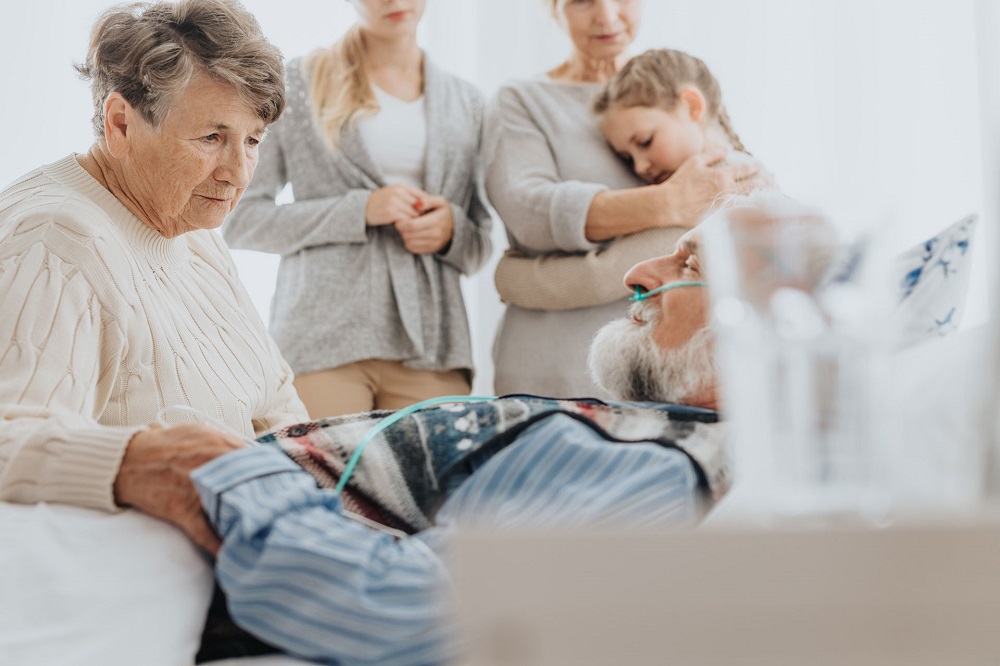

Navigating a complex medical diagnosis, chronic illness, or major surgical procedure can be an overwhelming experience. While modern medical science provides advanced pharmaceuticals, surgical techniques, and diagnostic tools, clinical interventions represent only one part of the healing process. Surrounding a patient with strong, active family support plays an equally critical role in recovery and long-term health outcomes.
Family support during medical treatment extends far beyond basic emotional comfort. It serves as a biological, logistical, and psychological buffer that enhances patient safety, improves adherence to complex treatment protocols, and lowers systemic stress. Understanding the multifaceted impact of family involvement enables patients and loved ones to partner effectively with healthcare teams, ensuring a safer, smoother journey toward recovery.
The Psychological and Biological Benefits of Family Involvement
The human body and mind are deeply connected. When a person receives a serious medical diagnosis, the body instinctively activates a stress response, releasing hormones like cortisol and adrenaline. While useful in short, acute bursts, chronic elevation of stress hormones impairs immune function, raises blood pressure, disrupts sleep cycles, and slows tissue repair.
Active family support acts as a natural physiological stabilizer:
- Lowering Stress and Anxiety: The physical presence of trusted loved ones provides emotional safety, triggering the release of oxytocin and endorphins. These neurochemicals help lower heart rates, reduce blood pressure, and suppress excessive stress hormone production.
- Boosting Immune System Function: Reduced stress levels directly correlate with better immune surveillance. Patients who feel emotionally supported often demonstrate better wound healing, lower rates of post-surgical infection, and superior cellular resilience.
- Mitigating Hospital Delirium and Fear: Hospital stays, particularly in intensive care units, present disorienting lights, alarms, and unfamiliar environments. Having familiar family members present provides grounding, significantly reducing the risk of acute anxiety and hospital-induced delirium in vulnerable or elderly patients.
Psychological comfort directly influences physical recovery, proving that compassionate care is a functional necessity rather than a passive luxury.
Active Medical Advocacy and Patient Safety
Healthcare environments are fast-paced, highly technical, and increasingly complex. Doctors and nurses care for multiple patients simultaneously, and critical details can occasionally be overlooked or miscommunicated during staff shift handoffs. Family members serve as an indispensable extra layer of safety, acting as vigilant advocates for their loved ones.
Improving Information Retention
When patients receive difficult diagnostic news or complex treatment instructions, shock and anxiety impair cognitive processing. Research shows that patients forget up to eighty percent of the medical information provided by doctors immediately after leaving an appointment. A designated family member can attend consultations, take detailed notes, record oral instructions, and ask clarifying questions that the patient might be too overwhelmed to consider.
Preventing Medication and Treatment Errors
Family members familiar with a patient’s baseline health status, daily medication routine, allergies, and cognitive habits are uniquely positioned to spot potential errors. A attentive family member can verify that medications administered in a hospital match the patient’s home list, confirm surgical site markings before procedures, and alert medical staff immediately if subtle, alarming changes in physical appearance or mood occur.
Facilitating Clear Communication
Doctors often use complex medical jargon that can confuse patients. Family advocates help bridge this communication gap by asking providers to explain conditions in plain language, confirming understanding through teach-back methods, and ensuring the patient’s personal values and treatment preferences are respected.
Practical and Logistical Daily Care Management
The physical demands of managing a serious health condition or recovering from surgery can make basic daily tasks exhausting or impossible for a patient. Family members frequently step in to manage vital logistical burdens, allowing the patient to direct all their energy toward healing.
- Medication Management: Organizing daily pill dispensers, keeping track of complex prescription schedules, picking up refills from pharmacies, and monitoring for adverse drug interactions.
- Transportation and Appointment Coordination: Driving the patient to frequent medical appointments, specialized physical therapy sessions, and diagnostic imaging centers, ensuring punctual and safe transportation.
- Personal Care Assistance: Helping with basic activities of daily living, such as bathing, dressing, grooming, mobility support, and changing sterile wound dressings safely at home.
- Nutritional and Hydration Support: Preparing nutrient-dense meals tailored to specific dietary restrictions, maintaining adequate daily fluid intake, and monitoring changes in appetite or weight.
By managing these logistical tasks, family caregivers create a structured, predictable home environment that accelerates physical rehabilitation.
Enhancing Treatment Adherence and Lifestyle Adaptation
A medical treatment plan is only effective if followed consistently over time. Managing chronic conditions like diabetes, heart disease, or cancer requires long-term lifestyle modifications, strict dietary changes, and disciplined medication schedules. Adhering to these demands alone can cause decision fatigue and emotional burnout.
Family members serve as crucial accountability partners:
- Encouraging Consistent Action: Reminding patients to take medications on time, complete home physical therapy exercises, and attend mandatory follow-up appointments.
- Adopting Healthy Habits Together: Lifestyle changes are far more sustainable when adopted by the entire household. When family members join the patient in eating low-sodium meals, maintaining an active walking routine, or quitting smoking, the patient feels supported rather than isolated by restrictions.
- Providing Positive Reinforcement: Celebrating small recovery milestones—such as walking across a room unassisted or completing a round of chemotherapy—maintains morale and reinforces long-term commitment to the care plan.
When lifestyle changes become a shared family effort, adherence rates increase dramatically, leading to better long-term health outcomes.
Preventing Caregiver Burnout and Maintaining Family Health
While the role of family support is vital, providing continuous care for a sick or recovering loved one can take a heavy physical and emotional toll. Caregiver strain, characterized by chronic fatigue, anxiety, depression, and physical exhaustion, can compromise the caregiver’s health and reduce the quality of care provided to the patient.
To sustain effective family support over extended treatment periods, families should implement structured self-care strategies:
Share the Responsibilities
Avoid placing the entire caregiving burden on a single family member. Divide tasks based on individual strengths and schedules. One person can manage financial and insurance paperwork, another can handle meal preparation, and another can drive to appointments.
Utilize Professional Respite Care
Take advantage of home health aides, community support groups, and professional respite care services. Allowing primary caregivers dedicated time away from care duties refreshes their mental energy and prevents long-term burnout.
Seek Emotional and Psychological Support
Caregivers must process their own grief, fear, and frustration. Participating in caregiver support groups or speaking with a professional counselor provides a safe, confidential space to process complex emotions without feeling guilty.
Supporting a family member through medical treatment is a marathon, not a sprint. Maintaining the caregiver’s health is essential for protecting the patient’s long-term well-being.
Frequently Asked Questions
What should a family member do if the patient refuses to follow their treatment plan?
First, approach the situation with empathy rather than frustration. Ask the patient why they are resisting treatment—common reasons include fear of side effects, financial strain, feeling loss of control, or underlying depression. Listen without judgment, then involve their primary care physician or a medical social worker to discuss safe modifications or address their specific concerns professionally.
How can family members support a patient when they live far away?
Long-distance family members can contribute significantly by managing administrative, logistical, and financial tasks. They can schedule appointments, coordinate prescription deliveries, manage insurance claims, communicate digitally with medical teams, order healthy groceries online, and schedule regular video calls to provide consistent emotional connection.
What is the difference between a family caregiver and a legal healthcare proxy?
A family caregiver assists with daily care, emotional support, and logistical tasks. A legal healthcare proxy, or medical power of attorney, is a designated person legally authorized to make medical decisions on the patient’s behalf if the patient becomes incapacitated, unconscious, or mentally unable to make informed decisions for themselves.
How can family members talk to children about a parent’s serious illness?
Use honest, age-appropriate language while avoiding overly technical jargon or scary medical terms. Reassure children that the illness is not their fault, encourage them to ask questions, and maintain their normal daily routines as much as possible. Keeping communication open helps reduce anxiety and fear of the unknown.
Can a doctor share medical details with family members without the patient’s permission?
In the United States, federal privacy laws like HIPAA prohibit healthcare providers from sharing detailed medical information with family members unless the patient has explicitly signed a authorization form granting permission. Patients should fill out medical disclosure forms at clinics and hospitals to ensure chosen family members can receive health updates legally.
How can a family help a loved one transition safely from hospital to home?
Review the written discharge summary thoroughly with the hospital nurse before leaving. Ensure all new prescriptions are filled, necessary home medical equipment is installed, home health visits are confirmed, and clear follow-up appointments are scheduled. Create a clean, comfortable, and safe room at home with easy access to water, bathroom facilities, and emergency contacts.
What should family members do if they disagree with each other regarding a patient’s care?
Focus on the patient’s explicit values and expressed wishes rather than personal opinions. Review any existing advance directives or living wills. If disagreements persist, request a formal family conference with the hospital chaplain, attending physician, or a trained medical ethics consultant to facilitate a neutral, constructive conversation focused entirely on the patient’s best interests.