

Introduction: A Timeless Healing Tradition
Amid the cacophony of modern medicine and pharmaceutical dependence, a quiet, time-honored practice continues to draw attention for its simplicity and efficacy—acupressure. Rooted in Traditional Chinese Medicine (TCM), acupressure involves the application of manual pressure to specific points on the body to balance energy, promote relaxation, and alleviate ailments. Often referred to as “acupuncture without needles,” acupressure has transcended centuries and continents to find its place alongside both holistic and integrative wellness practices in the 21st century.
In a world increasingly inclined toward non-invasive therapies, acupressure stands out as a remarkable blend of ancient wisdom and practical effectiveness. Its gentle approach not only addresses physical discomforts but also nurtures mental and emotional balance.
Understanding Acupressure: Principles and Practice
At its core, acupressure is based on the belief that life energy, or Qi (pronounced “chee”), flows through pathways known as meridians in the body. When these energy channels become blocked or imbalanced, it can lead to various health issues. By stimulating specific acupoints along these meridians, practitioners aim to restore the harmonious flow of energy, thereby promoting healing and vitality.
Key Principles of Acupressure:
-
Meridian Theory: The body has twelve major meridians linked to organs and functions. Acupressure aims to regulate the energy along these lines.
-
Yin and Yang Balance: Wellness depends on the equilibrium between opposing but complementary forces—Yin (cool, passive) and Yang (warm, active).
-
Holistic Focus: Acupressure doesn’t treat symptoms in isolation; it views the body as an interconnected system.
How It Works
Practitioners use fingers, palms, elbows, or specialized tools to apply pressure to specific acupoints. Sessions may last from 30 minutes to over an hour, often combined with breathing techniques or guided meditation. While some acupressure points target localized pain, others are meant to influence overall energy and internal organs.
Health Benefits of Acupressure: Science Meets Tradition
Though rooted in ancient philosophy, acupressure’s benefits are increasingly backed by modern research. From chronic pain to emotional distress, this gentle therapy has shown promising results across a spectrum of conditions.
Physical Benefits:
-
Pain Relief: One of acupressure’s most celebrated uses is in alleviating pain—especially back pain, migraines, arthritis, and menstrual cramps.
-
Digestive Support: Acupressure has been known to improve symptoms of bloating, indigestion, and nausea—including pregnancy-related morning sickness.
-
Improved Circulation: Gentle stimulation enhances blood flow, aiding oxygen delivery and cellular repair.
-
Immune System Boost: Regular practice may stimulate lymphatic drainage and help the body fend off illnesses.
Emotional and Mental Benefits:
-
Stress and Anxiety Reduction: Activating specific pressure points triggers the release of endorphins, promoting relaxation and mental clarity.
-
Better Sleep: Points like the “Spirit Gate” (Heart 7) have been linked to improved sleep quality and reduced insomnia.
-
Mood Regulation: Acupressure supports hormonal balance, which can positively affect mood swings and emotional stability.
Common Acupressure Points and Their Uses
Understanding a few key acupoints can empower individuals to incorporate acupressure into their own wellness routines.
-
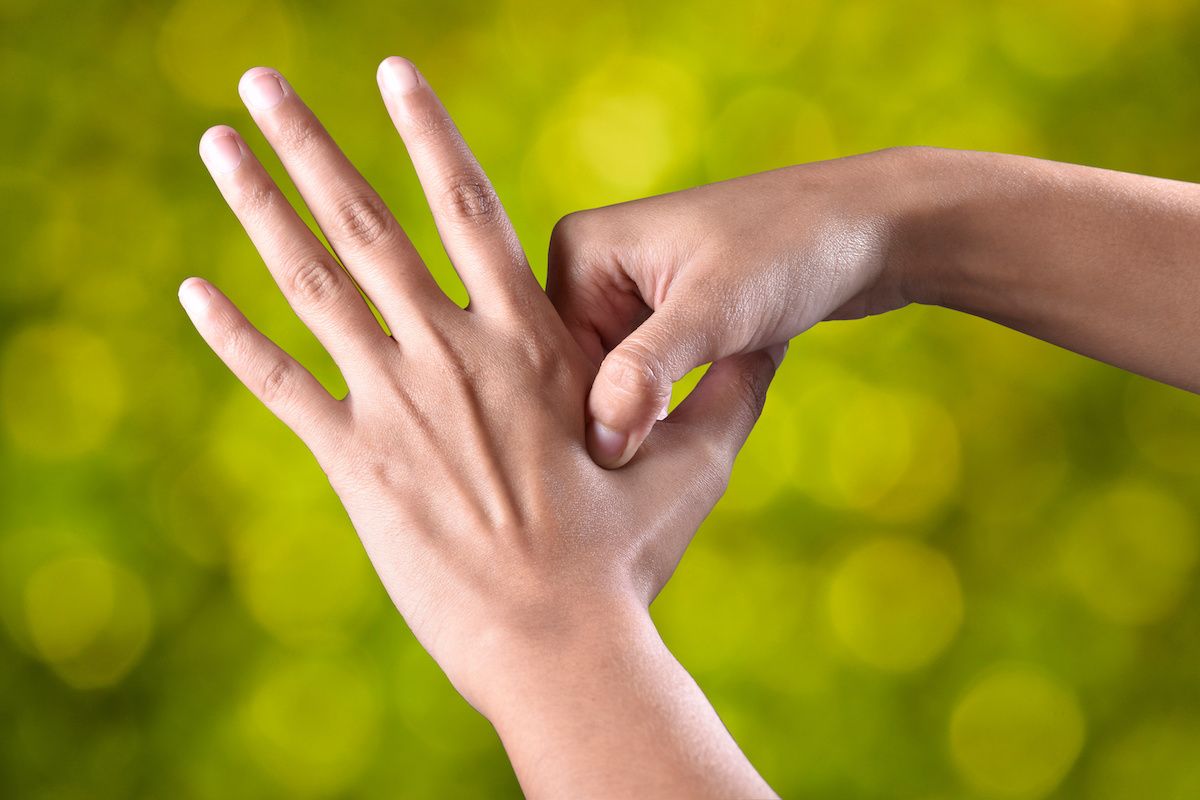
LI4 (Hegu): Located between the thumb and index finger. Known to relieve headaches, toothaches, and facial pain.
-
PC6 (Neiguan): Found on the inner forearm, three fingers below the wrist crease. Helps with nausea, anxiety, and palpitations.
-
LV3 (Taichong): Situated on the top of the foot. Effective for liver function, stress, and hormonal imbalances.
-
ST36 (Zusanli): Below the knee on the outer leg. Boosts immunity, improves digestion, and enhances energy.
-
GV20 (Baihui): On the crown of the head. Calms the spirit, alleviates dizziness, and supports mental focus.
Acupressure in Daily Life: A Gentle Ritual for Well-Being
Unlike many forms of therapy that require appointments or equipment, acupressure can be practiced virtually anywhere. It lends itself to self-care and mindfulness, encouraging individuals to develop a deeper awareness of their bodies.
How to Integrate Acupressure into Your Routine:
-
Morning Rituals: Start the day by stimulating energy-boosting points like ST36 and LI4.
-
Work Breaks: Relieve tension with gentle pressure on shoulder and hand points during long hours at the desk.
-
Evening Wind-Down: Use calming points such as PC6 and Baihui to relax before bed.
Professional vs. Self-Practice: Finding the Right Approach
While self-administered acupressure is both safe and beneficial, seeing a certified practitioner can yield deeper results. Professionals are trained to assess your body’s needs, identify blocked meridians, and develop targeted treatment plans.
When to Seek a Professional:
-
Chronic or unexplained pain
-
Persistent digestive or sleep disorders
-
Recovery from surgery or trauma
-
Emotional distress not relieved by basic techniques
Always consult with a healthcare provider before starting any new wellness regimen, especially if you have underlying conditions or are pregnant.
Acupressure and Integrative Medicine: A Holistic Future
In recent years, acupressure has gained recognition in Western medical communities. It’s now incorporated into palliative care, oncology clinics, physical therapy, and even hospital settings. This evolution signals a broader shift toward integrative healthcare—a model that values natural, patient-centered healing alongside modern diagnostics and pharmacology.
Why Integrative Medicine Embraces Acupressure:
-
Non-invasive and drug-free
-
Minimal side effects
-
Enhances patient comfort and engagement
-
Cost-effective for long-term care
Final Thoughts: The Power Lies at Your Fingertips
In a world where people often seek quick fixes, acupressure offers a gentle reminder that healing can be simple, intuitive, and profoundly effective. It encourages individuals to pause, listen to their bodies, and engage with their health in a tactile, intentional way.
Whether used as a stand-alone therapy or as a complementary practice, acupressure serves as a powerful bridge between ancient wisdom and modern wellness. It is not merely a treatment—it’s a philosophy, a lifestyle, and above all, a testament to the extraordinary healing potential that lies within our own hands.