
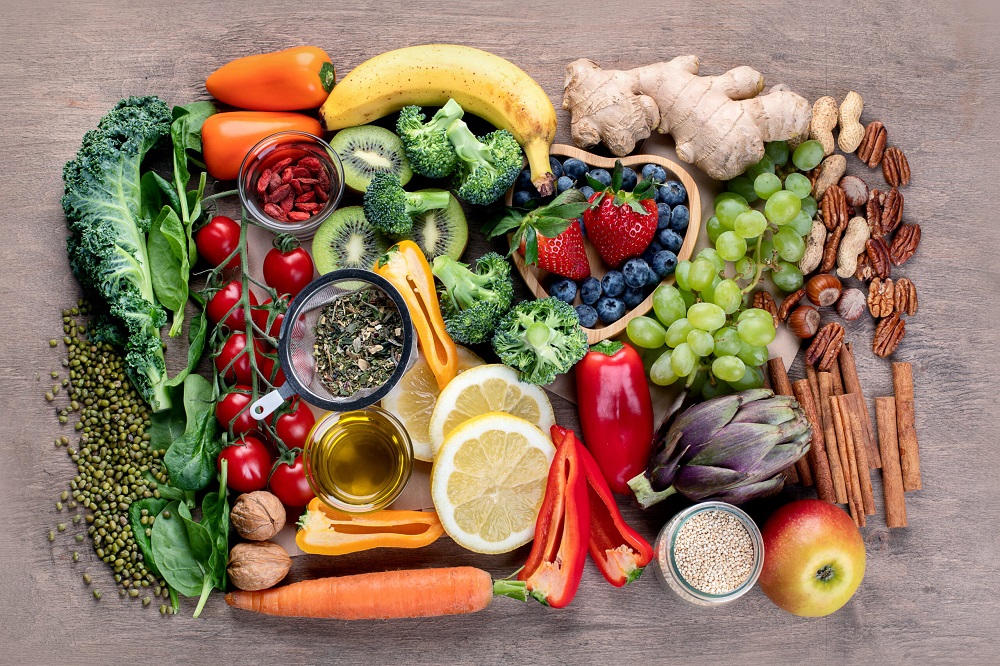

Modern nutritional conversations often revolve around macronutrients. Countless diet trends focus heavily on tracking daily grams of carbohydrates, protein, and fat to manage body weight, build muscle, or improve physical athletic performance. While macronutrients provide the raw energy and building blocks required to sustain human life, they represent only one half of the nutritional equation.
Working quietly behind the scenes is an equally vital category of dietary compounds: micronutrients. Comprising essential vitamins and minerals, micronutrients are required by the body in relatively small quantities, measured in milligrams or micrograms. Despite these minute amounts, micronutrients serve as the essential sparks that ignite thousands of biochemical processes. Without adequate micronutrient intake, metabolic pathways stall, cellular repair slows, and overall health deteriorates.
Understanding the Two Pillar Families of Micronutrients
Micronutrients are broadly divided into two major chemical categories based on their molecular structures and biological properties: vitamins and minerals. Both families are indispensable for physical survival, yet they perform vastly different functions within human physiology.
The Organic Realm: Essential Vitamins
Vitamins are organic compounds produced by plants and animals that can be broken down by heat, air, or acid. The human body cannot synthesize most vitamins in sufficient quantities, making regular dietary intake necessary. Vitamins fall into two distinct solubility groups:
- Water-Soluble Vitamins: Includes the B-complex family and vitamin C. These vitamins dissolve in water and pass easily through the bloodstream. Because the body cannot store excess water-soluble vitamins for extended periods, surplus amounts are excreted through urine, requiring consistent daily replenishment through food.
- Fat-Soluble Vitamins: Includes vitamins A, D, E, and K. These vitamins dissolve in dietary fats and are absorbed alongside lipids in the intestinal tract. Excess amounts are stored in the liver and adipose tissue for future use. While storage protects against rapid deficiency, excessively high intake from synthetic supplements can lead to biological accumulation and toxicity.
The Inorganic Realm: Essential Minerals
Minerals are inorganic elements originating from the earth’s soil and water. Plants absorb minerals through their root systems, and animals acquire them by consuming those plants or other animals. Unlike vitamins, minerals hold a stable chemical structure that cannot be destroyed by heat, cooking, or air exposure.
Minerals are categorized based on daily physiological demand:
- Major Minerals (Macrominerals): Required in larger amounts, typically exceeding one hundred milligrams per day. Key examples include calcium, phosphorus, sodium, potassium, magnesium, chloride, and sulfur. They support bone architecture, fluid balance, and muscle contractions.
- Trace Minerals (Microminerals): Required in minute amounts, often less than a few milligrams per day. Key examples include iron, zinc, copper, manganese, iodine, selenium, and chromium. Despite their tiny quantities, trace minerals drive critical enzymatic reactions and hormonal synthesis.
Core Physiological Roles of Key Micronutrients
Micronutrients act as specialized catalytic keys that unlock cellular performance. Understanding the specific duties of foundational vitamins and minerals highlights their profound impact on daily biological functioning.
Immune System Defense and Cellular Protection
A resilient immune response depends heavily on micronutrient availability. Vitamin C stimulates the production and activity of white blood cells while acting as a potent antioxidant that neutralizes cellular damage caused by free radicals. Vitamin A maintains the structural integrity of mucosal linings in the respiratory and digestive tracts, forming a physical barrier against pathogens. Zinc supports the maturation of immune cells and regulates inflammatory responses, while selenium protects cell membranes from oxidative stress.
Energy Production and Metabolic Efficiency
While micronutrients do not supply raw calories, they dictate how efficiently the body converts food into usable energy. The B-vitamin complex—including thiamine, riboflavin, niacin, B6, folate, and B12—functions as essential coenzymes in cellular respiration. They break down carbohydrates, fats, and proteins into adenosine triphosphate, the universal energy currency of human cells. Without sufficient B vitamins, metabolic pathways stall, leading to severe chronic fatigue and brain fog.
Skeletal Integrity and Structural Strength
Maintaining dense, resilient bones requires a sophisticated interplay between multiple minerals and vitamins. Calcium provides the primary structural matrix for bones and teeth. However, calcium absorption in the gut relies entirely on adequate vitamin D levels. Once absorbed, vitamin K activates proteins that bind calcium directly to the bone matrix, preventing it from accumulating dangerously in arterial walls. Magnesium further supports bone density by regulating parathyroid hormone activity.
Oxygen Transport and Cardiovascular Function
Red blood cells require iron to manufacture hemoglobin, the specialized protein responsible for carrying oxygen from the lungs to tissues throughout the body. Copper assists in iron absorption and utilization, ensuring efficient red blood cell production. Meanwhile, electrolytes such as potassium, magnesium, and calcium regulate vascular tone, fluid balance, and the electrical impulses that drive steady heart contractions.
The Problem of Hidden Hunger and Micronutrient Deficiencies
In many developed societies, access to excess calories is widespread. However, high caloric intake does not guarantee optimal nutrition. The heavy consumption of ultra-processed foods, refined grains, and added sugars has created a phenomenon known as hidden hunger. Individuals may consume more than enough daily calories while simultaneously suffering from chronic sub-clinical micronutrient deficiencies.
Sub-clinical deficiencies do not always present as acute, severe diseases like scurvy or rickets. Instead, they manifest as subtle, persistent health issues that diminish quality of life:
- Persistent Fatigue and Weakness: Frequently linked to marginal iron deficiency, low vitamin D levels, or insufficient B-vitamin intake.
- Impaired Cognitive Function: Difficulty concentrating, poor memory, and mood swings can stem from low levels of omega-3 co-factors, B12, or magnesium.
- Slow Wound Healing and Skin Issues: Zinc, vitamin C, and vitamin A deficiencies impair collagen synthesis and skin cell turnover.
- Frequent Infections: Inadequate intake of vitamin C, vitamin D, and zinc compromises baseline immune surveillance.
Over time, long-standing micronutrient shortfalls contribute to the development of chronic conditions, including osteoporosis, cardiovascular disease, metabolic syndrome, and age-related cognitive decline.
Maximizing Micronutrient Intake Through Food Quality
Supplements can help bridge specific diagnostic gaps, but whole foods remain the superior source for meeting daily micronutrient needs. Whole foods provide a complex matrix of vitamins, minerals, dietary fiber, and beneficial phytonutrients that work synergistically to enhance absorption and biological activity.
Eat a Diverse, Colorful Diet
The natural pigments that give fruits and vegetables their vibrant colors correspond to specific protective compounds and micronutrient profiles:
- Red and Orange Foods: Rich in beta-carotene (precursor to vitamin A), vitamin C, and lycopene.
- Dark Leafy Greens: Abundant in folate, vitamin K, calcium, magnesium, and iron.
- Purple and Blue Foods: Packed with anthocyanins and key trace minerals.
- Whole Grains, Nuts, and Seeds: Excellent sources of B vitamins, magnesium, zinc, and selenium.
Rotating your food choices ensures exposure to a wide spectrum of essential nutrients, minimizing the risk of localized shortfalls.
Mindful Cooking and Preparation Methods
Because water-soluble vitamins are sensitive to heat, light, and water exposure, food preparation methods influence nutrient retention. Boiling vegetables in large volumes of water can leach up to fifty percent of their water-soluble B and C vitamins into the discarded cooking liquid.
To preserve micronutrient density, opt for gentle cooking methods such as steaming, microwaving, or light sautéing. Additionally, pairing fat-soluble vitamins with healthy dietary fats—such as drizzling olive oil over a spinach salad or roasting carrots with avocado oil—substantially improves intestinal absorption.
Frequently Asked Questions
Can I replace a healthy diet entirely with a daily multivitamin supplement?
No. Multivitamin supplements cannot replicate the complex matrix of whole foods. Whole plant and animal foods contain hundreds of beneficial phytochemicals, trace compounds, and dietary fibers that act synergistically to enhance nutrient absorption and support gut microbiome health. Supplements should be used to fill specific nutrient gaps under professional guidance, not as a replacement for balanced nutrition.
What is the difference between major minerals and trace minerals?
The distinction lies entirely in the quantity required by the human body daily. Major minerals, such as calcium, potassium, and magnesium, are required in amounts greater than one hundred milligrams per day to support structural and fluid balance. Trace minerals, such as iron, zinc, and copper, are required in tiny amounts, often measured in milligrams or micrograms, primarily to drive enzymatic and hormonal processes.
Why do cooking methods affect vitamins differently than minerals?
Vitamins are organic compounds made of complex carbon chains that can be broken down or altered by external factors like heat, light, air, and water exposure. Water-soluble vitamins easily leach into cooking water. Minerals, on the other hand, are stable inorganic elements originating from the earth. Heat and cooking do not destroy minerals, though they can still leach into discarded cooking liquids during boiling.
Who is at the highest risk for developing micronutrient deficiencies?
High-risk populations include pregnant and lactating women due to increased physiological demand, older adults due to reduced stomach acid and nutrient absorption, individuals following strict restrictive diets without careful planning, people with gastrointestinal disorders like celiac or Crohn’s disease, and individuals consuming diets heavy in ultra-processed foods.
How does stress affect the body’s micronutrient levels?
Chronic physical or psychological stress activates the sympathetic nervous system, increasing the body’s metabolic demand for specific micronutrients. Stress rapidly depletes intracellular stores of magnesium, B-complex vitamins, and vitamin C. Simultaneously, high cortisol levels can impair digestive efficiency, reducing nutrient absorption from meals.
Can consuming too many micronutrients be dangerous to health?
Yes. Excessive intake of fat-soluble vitamins, particularly vitamins A and D, can cause toxicity because the body stores surplus amounts in the liver and fatty tissues rather than excreting them. Similarly, excessively high doses of minerals like iron or zinc from high-dose supplements can interfere with the absorption of other minerals, cause organ stress, and trigger gastrointestinal distress.
How do antinutrients in foods affect micronutrient absorption?
Antinutrients, such as phytates in whole grains and legumes or oxalates in spinach, are naturally occurring plant compounds that can bind to minerals like iron, calcium, and zinc, reducing their absorption in the human gut. However, traditional preparation techniques like soaking, sprouting, fermenting, and thorough cooking significantly break down antinutrients, unlocking the bound minerals for optimal absorption.