

Introduction: Nourishment as the Foundation of Life
At the heart of every thriving organism lies a fundamental truth—nutrition is the essence of vitality. From the earliest stages of fetal development to the twilight years of old age, nutrition influences every cell, every system, and every second of our existence. It is not merely the act of eating; it is the thoughtful selection of what we consume and how it shapes our physical health, cognitive function, and emotional well-being.
In an age marked by fast food, fad diets, and conflicting advice, the clarity and depth of nutritional science serve as a compass, guiding individuals toward mindful nourishment. This article explores nutrition not only as a biological necessity but also as a life-enhancing practice—one that, when understood, empowers people to thrive rather than merely survive.
The Fundamentals of Nutrition: Building Blocks of Health
Nutrition is the study of how food affects the body. It encompasses the physiological processes by which the body ingests, digests, absorbs, and utilizes nutrients to maintain life and health.
The Six Essential Nutrient Categories:
-
Carbohydrates: The body’s primary energy source, found in grains, fruits, and vegetables. Complex carbs like whole grains provide sustained energy and dietary fiber.
-
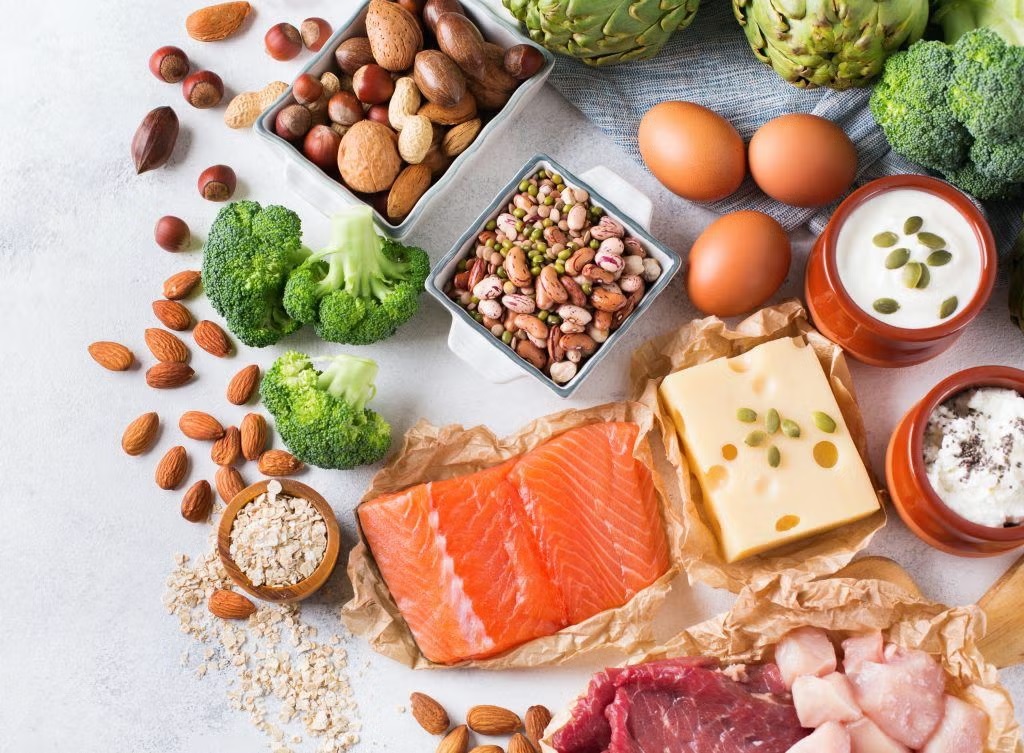
Proteins: Crucial for tissue repair, muscle growth, and enzyme production. Sources include meat, dairy, legumes, and nuts.
-
Fats: Vital for brain function, hormone production, and cell structure. Healthy fats—such as those from olive oil, avocados, and fish—support long-term health.
-
Vitamins: Organic compounds required in small amounts for various metabolic functions. Each vitamin, from A to K, plays a unique role in body maintenance.
-
Minerals: Inorganic elements like calcium, iron, and magnesium are essential for bone strength, oxygen transport, and nerve signaling.
-
Water: Often overlooked, water is fundamental. It regulates temperature, removes waste, and facilitates nearly all bodily functions.
Understanding these basics helps frame the larger, more nuanced discussion of dietary choices and nutritional balance.
Macronutrients vs. Micronutrients: A Delicate Balance
Nutrition is not just about what you eat—it’s about how much, how often, and in what combination. This is where the distinction between macronutrients and micronutrients becomes essential.
Macronutrients: Quantity and Quality
-
Carbohydrates: Opt for complex carbs (brown rice, oats) over refined sugars to avoid energy crashes and support gut health.
-
Proteins: Balance animal and plant proteins for a wider range of amino acids and lower saturated fat intake.
-
Fats: Emphasize unsaturated fats while limiting trans fats and excessive saturated fat, which contribute to heart disease.
Micronutrients: The Subtle Defenders of Health
Though required in minute quantities, micronutrients prevent disease and enable optimal physiological function.
-
Iron prevents anemia and supports oxygen transport.
-
Vitamin D aids calcium absorption and immune function.
-
Zinc plays a vital role in wound healing and cell division.
-
Folate is essential for DNA synthesis and prenatal health.
Deficiencies in these nutrients, even when caloric intake is adequate, can lead to “hidden hunger”—a state where health deteriorates despite a full stomach.
The Role of Nutrition in Disease Prevention
Nutrition isn’t just reactive—it’s profoundly preventive. A well-balanced diet can fend off chronic illnesses and dramatically enhance quality of life.
Major Diseases Influenced by Diet:
-
Cardiovascular Disease: Diets high in fiber, omega-3 fatty acids, and antioxidants reduce risk.
-
Type 2 Diabetes: Low-glycemic foods and whole grains help regulate blood sugar.
-
Cancer: Phytochemicals in fruits and vegetables exhibit protective properties.
-
Osteoporosis: Adequate calcium and vitamin D intake, paired with weight-bearing exercise, builds strong bones.
-
Obesity: Portion control, nutrient density, and mindful eating practices support healthy weight management.
Food is, in many ways, the most powerful form of medicine—and unlike pills, it comes with color, texture, and flavor.
Modern Nutritional Trends: Fads vs. Facts
The wellness industry is rife with dietary trends that promise quick fixes and miraculous transformations. While some trends are rooted in credible science, others are more style than substance.
Popular Diets Explored:
-
Ketogenic Diet: Low in carbs and high in fat, it can aid weight loss and epilepsy management but may not be sustainable long-term.
-
Intermittent Fasting: Encourages metabolic regulation and calorie control, but individual response varies widely.
-
Plant-Based Diets: Supported by extensive research for reducing chronic disease risk and environmental impact.
-
Paleo and Carnivore Diets: Emphasize ancestral eating patterns but often lack variety and certain nutrients.
Red Flags in Diet Culture:
-
Extreme restriction of food groups
-
Lack of peer-reviewed evidence
-
Promises of rapid, effortless weight loss
-
Overreliance on supplements over whole foods
Sustainable nutrition is not about extremes—it’s about balance, variety, and consistency.
Personalized Nutrition: One Size Doesn’t Fit All
Genetics, age, activity level, and even gut microbiota play a role in how individuals process and respond to different foods. The future of nutrition lies in personalization.
Factors That Influence Nutritional Needs:
-
Age and Gender: Nutrient needs evolve through life stages and vary between men and women.
-
Lifestyle: Athletes need higher protein and calorie intake, while sedentary individuals require fewer calories.
-
Medical Conditions: Diabetes, allergies, gastrointestinal issues, and other conditions demand tailored dietary strategies.
-
Cultural and Ethical Beliefs: Personal values shape food choices and nutritional approaches.
Rather than prescribing rigid “rules,” modern dietitians advocate for adaptive plans that meet individual goals and respect personal preferences.
The Psychological Aspect of Eating: Mindful Nutrition
Food is deeply emotional and social. Beyond sustenance, meals carry memories, traditions, and comfort. Mindful eating encourages awareness of hunger cues, emotional triggers, and the experience of eating itself.
Principles of Mindful Nutrition:
-
Eat without distractions (no phones or screens)
-
Chew slowly and savor flavors
-
Recognize hunger vs. boredom or stress
-
Choose food that nourishes both body and soul
This approach enhances digestion, prevents overeating, and fosters a healthier relationship with food.
Conclusion: Nourishment as a Lifelong Practice
Nutrition is more than an academic discipline—it is a lifelong dialogue with the body. Every meal is an opportunity to care, to connect, and to empower ourselves. While the science of nutrition continues to evolve, the essence remains timeless: choose real foods, embrace balance, listen to your body, and treat nourishment as a sacred act.
In a world of abundance and distraction, returning to the basics of sound nutrition is not just wise—it is transformative. When we eat well, we don’t just add years to our life; we add life to our years.