
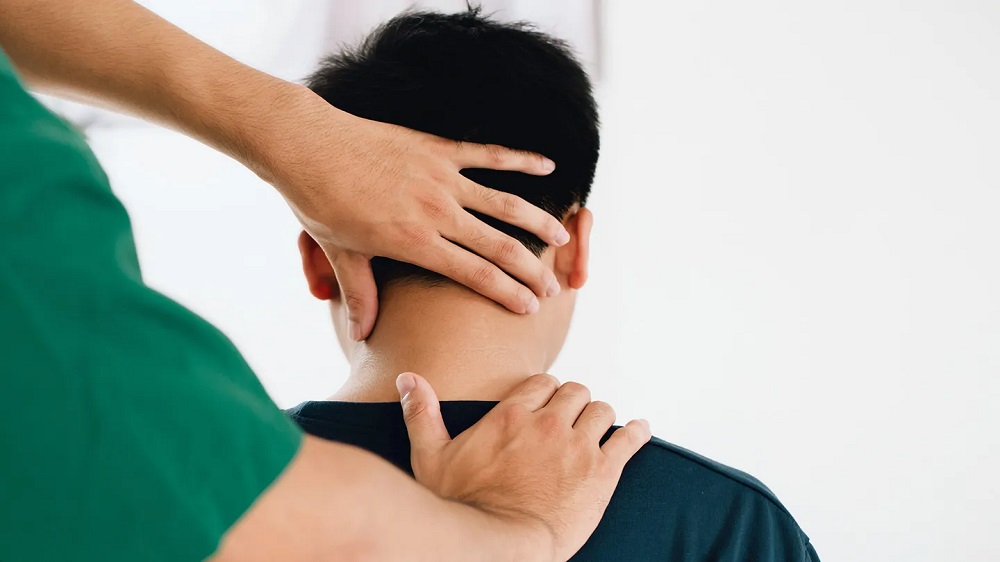

Chronic and acute pain affect millions of adults, impacting mobility, work productivity, sleep quality, and overall well-being. While modern pharmaceutical interventions provide temporary relief, prolonged reliance on pain medications often carries undesirable side effects, such as gastrointestinal irritation, organ stress, tolerance buildup, and potential dependency. As a result, many individuals are turning to time-tested, non-invasive complementary therapies to manage physical discomfort safely and naturally.
Acupressure stands out as a practical, accessible, and drug-free modality for pain relief. Rooted in traditional East Asian medicine, this self-care technique involves applying precise physical pressure to specific points on the body. By understanding the underlying physiological and energetic mechanisms of acupressure, individuals can unlock a self-administered tool that complements modern medical care, alleviates muscle tension, reduces systemic inflammation, and restores natural physical balance.
Understanding the Mechanics of Acupressure
To appreciate how acupressure reduces pain, it helps to explore both its traditional foundations and modern physiological mechanisms.
The Traditional Energy Perspective
In traditional medicine systems, health is viewed as a state of harmonious balance driven by vital energy, often referred to as Qi. This energy flows through a network of invisible channels called meridians that connect body tissues, organ systems, and sensory pathways. When physical trauma, repetitive stress, emotional anxiety, or illness disrupts this flow, energy becomes blocked or stagnant, leading to localized inflammation, muscle spasms, and acute or chronic pain. Acupressure points, located along these meridian paths, act as access valves. Stimulating these specific points clears blockages, restores smooth energy circulation, and initiates natural physical healing.
The Modern Physiological Perspective
Modern scientific research confirms that stimulating acupressure points produces measurable biological changes throughout the nervous, vascular, and muscular systems:
- Endorphin and Enkephalin Release: Applying firm pressure to pressure points triggers the central nervous system to release endogenous opioids, including endorphins and enkephalins. These neurochemicals act as natural painkillers, binding to opioid receptors in the brain and spinal cord to block pain signal transmission.
- Gate Control Theory of Pain: According to the Gate Control Theory, non-painful sensory input, such as firm pressure, travels along fast-conducting, large-diameter nerve fibers. This mechanical signal reaches the spinal cord faster than dull pain signals traveling along smaller nerve fibers, effectively closing the neurological gate to pain perception.
- Localized Vasodilation and Circulation: Firm physical stimulation relaxes constricted blood vessels around tight muscle tissue. This localized increase in blood flow accelerates oxygen and nutrient delivery while flushing out accumulated metabolic waste products, such as lactic acid and inflammatory cytokines.
- Parasympathetic Nervous System Activation: Acupressure down-regulates the sympathetic fight-or-flight response, slowing heart rate, dropping elevated cortisol levels, and relaxing tight skeletal muscle groups.
Key Acupressure Points for Common Pain Conditions
While hundreds of pressure points exist across the human body, several foundational points are particularly effective for managing common pain complaints. Learning to locate and stimulate these points allows you to build a practical self-care routine.
He Gu (Large Intestine 4) for Headaches and Facial Pain
Located on the back of the hand, in the webbed muscle valley between the base of the thumb and index finger. Pressure applied here is exceptionally effective for relieving tension headaches, migraines, jaw tightness, toothaches, and sinus pressure.
To stimulate He Gu, pinch the webbing between your thumb and index finger using the opposite hand thumb and forefinger. Apply firm, steady pressure while making tiny circular massage movements for one to two minutes while taking deep abdominal breaths.
Tai Chong (Liver 3) for Lower Extremity Tension and Stress Relief
Found on the top of the foot, in the hollow depression between the big toe and second toe, roughly two fingers-widths back from the webbed margin. This point helps relieve lower body stiffness, menstrual cramps, foot pain, and general physical agitation caused by chronic stress.
Apply firm pressure downward into the depression using your thumb or index finger, holding for one to two minutes on both feet.
Zu San Li (Stomach 36) for Joint Pain and General Vitality
Located on the front of the lower leg, roughly four finger-breadths below the bottom of the kneecap, and one finger-width toward the outside edge of the shinbone. Zu San Li is renowned for relieving knee joint stiffness, digestive pain, leg fatigue, and systemic physical exhaustion.
Press firmly into the muscle tissue beside the shinbone, using your thumbs or knuckles, applying firm downward pressure while flexing and relaxing your ankle slightly.
Shen Men (Spirit Gate) for Systemic Pain and Stress
Located on the inner wrist crease, in the small indentation on the pinky-finger side, directly beneath the tendon. Stimulating Shen Men settles an overactive nervous system, lowers systemic pain sensitivity, relieves insomnia, and calms emotional anxiety associated with chronic health conditions.
Hold steady, gentle thumb pressure on the wrist crease for one to three minutes while practicing slow, rhythmic breathing.
Step-by-Step Techniques for Safe Self-Application
Practicing acupressure at home requires proper technique to maximize therapeutic benefits and prevent bruising or unnecessary tissue discomfort.
- Find a Comfortable Position: Sit or lie down in a quiet, warm environment where you can relax completely without physical strain.
- Locate the Exact Point: Use your fingertips to explore the general area. Acupressure points often feel slightly tender, warm, or subtly depressed compared to surrounding tissue.
- Apply Steady, Moderate Pressure: Use the pad of your thumb, index finger, or knuckles. Press firmly until you feel a deep, satisfying ache or mild pressure, but avoid applying sharp or unbearable pain.
- Integrate Deep Breathing: Inhale slowly through your nose for a count of four, driving air into your lower abdomen, and exhale smoothly through your mouth for four. Deep breathing enhances endorphin release and relaxes surrounding muscle fibers.
- Maintain Pressure Duration: Hold steady pressure or make tiny, firm circular movements for one to three minutes per point. Repeat the process two to three times daily or as needed when pain flares.
Integrating Acupressure into a Holistic Pain Management Strategy
While self-administered acupressure provides remarkable localized relief, it works best when integrated into a broader, comprehensive health strategy.
Complementing Physical Therapy and Exercise
Acupressure clears acute muscle spasms and localized tightness, making it easier to perform physical therapy exercises, dynamic stretching, and mobility drills. Applying pressure to relevant points before a movement session prepares tissue for gentle exertion.
Supporting Dietary and Hydration Practices
Flushing metabolic waste from sore muscle tissue requires proper systemic hydration. Drink plenty of plain water after an acupressure session to assist your body in clearing cellular waste. Pair your self-care with an anti-inflammatory diet rich in whole foods, omega-3 fatty acids, and antioxidants to lower systemic tissue inflammation.
Enhancing Sleep Quality
Chronic pain and poor sleep create a frustrating cycle: pain disrupts sleep, and sleep deprivation increases pain sensitivity. Practicing calming acupressure points, such as Shen Men or An Mian, directly before bedtime calms the nervous system, encouraging deep, restorative sleep essential for cellular repair.
Safety Guidelines and Precautions
Acupressure is overwhelmingly safe for most healthy adults, but certain precautions should be observed to ensure complete well-being.
- Avoid Abdominal and Specific Points During Pregnancy: Pregnant women must avoid stimulating certain pressure points, including He Gu (LI4) and Sanyinjiao (SP6), as deep pressure on these areas can stimulate uterine contractions. Consult a licensed prenatal healthcare provider before practicing acupressure during pregnancy.
- Do Not Press Broken Skin or Wounds: Avoid applying firm pressure to open wounds, active skin infections, severe bruising, varicose veins, or recent surgical incisions.
- Respect Severe Pain Signals: Acupressure should induce a pleasant, deep ache, not sharp, severe, or shooting pain. If pressing a point causes intense discomfort, reduce the pressure immediately or stop the application.
- Consult Medical Professionals: Acupressure is a supportive self-care tool, not a substitute for professional medical care. Seek immediate medical evaluation for sudden, unexplained severe pain, chest tightness, or pain accompanied by high fever or numbness.
Frequently Asked Questions
How does acupressure differ from acupuncture?
Both modalities operate on the same traditional meridian points and principles. Acupuncture uses ultra-thin, sterile stainless-steel needles inserted into specific points by a trained professional, whereas acupressure utilizes manual physical pressure applied via thumbs, fingers, elbows, or specialized massage tools, making it ideal for self-care at home.
How long does it take to feel pain relief from an acupressure session?
Relief timing varies based on the condition. For acute tension headaches or localized muscle spasms, noticeable relief can occur within several minutes of steady pressure. For long-standing chronic conditions, consistent daily application over two to four weeks is typically required to experience sustained reductions in baseline pain.
Can I perform acupressure on myself too many times a day?
Acupressure is extremely safe, and you can practice it several times throughout the day as needed. However, avoid pressing a single point continuously for extended periods, as over-stimulating an area can cause localized skin tenderness or minor bruising. Applying pressure for one to three minutes per point, three times daily, is generally optimal.
Do I need special equipment or oils to practice acupressure?
No special equipment or oils are necessary. Your fingers, thumbs, and knuckles are all you need to apply effective pressure. However, applying a tiny drop of plain lotion or natural oil can help your fingers glide smoothly if you prefer using circular massage movements rather than static holding.
Why does pressing an acupressure point sometimes feel sore?
Tenderness at an acupressure point often indicates localized muscle tightness, inflammation, restricted circulation, or heightened nerve sensitivity in that specific area. As you apply gentle, firm pressure consistently over time, the underlying muscle fibers relax, circulation improves, and the tenderness gradually diminishes.
Can acupressure replace my prescribed pain medications?
Acupressure should not replace prescribed medications without explicit guidance from your treating physician. However, incorporating regular acupressure can lower your baseline pain levels and muscle tension, which may allow your doctor to gradually adjust or reduce your medication reliance safely over time.
Is acupressure safe for children and older adults?
Yes, acupressure is safe for people of all ages when applied with appropriate pressure. Because children, elderly individuals, and people with fragile skin or osteoporosis have delicate tissues, use lighter, gentler pressure—such as soft circular rubbing—rather than deep, heavy force.