
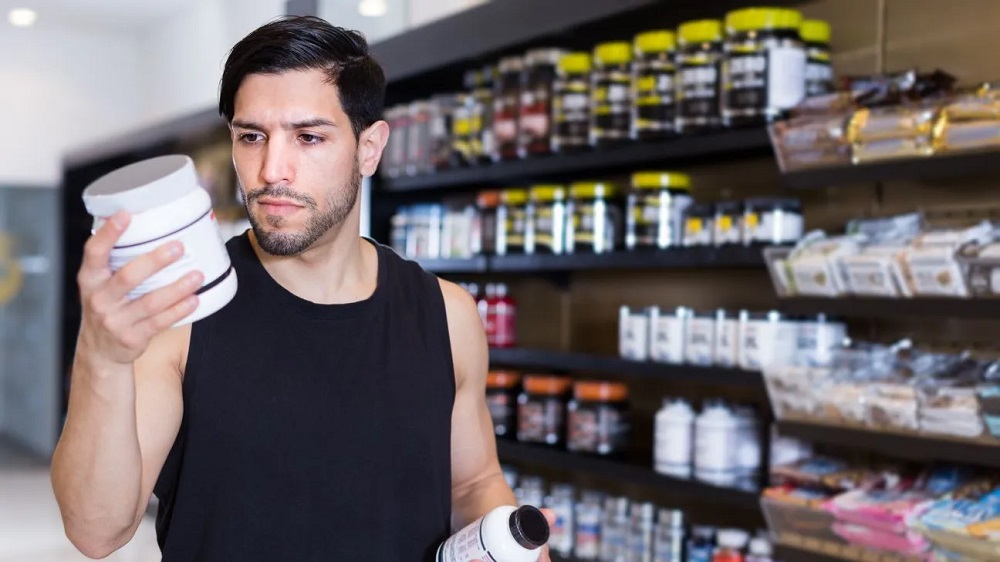

The global dietary supplement market is a multi-billion-dollar industry filled with sleek packaging, glowing celebrity endorsements, and ambitious health claims. From pre-workout powders promising instant strength gains to bedtime gummies claiming to cure chronic insomnia, consumers are bombarded with aggressive marketing campaigns designed to drive impulse purchases. However, flashy labels, elegant typography, and viral social media ads rarely reflect what is actually inside the bottle.
Unlike prescription drugs or over-the-counter medications, dietary supplements operate under a vastly different regulatory landscape. In many countries, manufacturers are not required to prove that a product is effective, or even completely pure, before it hits store shelves. This regulatory gap means that the burden of verifying product safety, ingredient authenticity, and true manufacturing quality falls directly on the consumer. Understanding why supplement quality matters far more than marketing claims is essential for protecting your physical health and ensuring you get real value from your investments.
The Illusion of Front-of-Package Marketing
Front-of-package marketing on supplement bottles is carefully engineered to appeal to your health aspirations, anxieties, and lifestyle goals. Terms like all-natural, clinical strength, doctor formulated, advanced formula, and bio-enhanced sound impressive, but they are often meaningless from a scientific or regulatory standpoint.
Marketing teams use psychological triggers and buzzwords to create a perception of high quality:
- Structure-Function Loophole: Manufacturers can state that a product supports joint health or helps maintain energy levels without providing rigorous clinical proof, as long as they include a standard disclaimer stating the product is not intended to diagnose, treat, cure, or prevent any disease.
- Proprietary Blends: Combining multiple ingredients into a proprietary matrix allows brands to list fancy botanical extracts on the front of the label while hiding the fact that those expensive compounds are present in tiny, ineffective dosages behind cheap fillers.
- Borrowed Science: Brands often cite research conducted on a patented, high-dose ingredient, but include only a fraction of that dose in their actual commercial product while still advertising the scientific benefits on their box.
Relying on front-label marketing puts you at risk of buying products that contain minimal active ingredients, incorrect chemical forms, or unwanted synthetic additives.
Raw Material Sourcing and Bioavailability
The fundamental difference between an effective supplement and a useless one lies in raw material sourcing and ingredient bioavailability. Bioavailability refers to the proportion of a nutrient that enters systemic circulation and is successfully absorbed and utilized by your body tissues. Two products can list the exact same milligram count of a mineral on their Supplement Facts panels, yet deliver radically different results inside your digestive tract.
Low-Cost versus High-Quality Ingredient Forms
Inexpensive supplements rely on cheap raw materials that are difficult for the human gut to process. For instance, magnesium oxide is cheap to manufacture, but its absorption rate in the human intestines is extremely low, frequently causing abdominal cramps or laxative effects. By contrast, chelated forms like magnesium glycinate or magnesium malate feature superior absorption and are far gentler on stomach linings.
Similarly, synthetic vitamin B12 listed as cyanocobalamin requires multiple enzymatic conversions in the liver before your cells can use it, whereas active methylated forms like methylcobalamin are immediately ready for cellular absorption.
Standardized Botanical Extracts
When buying herbal supplements like ashwagandha, turmeric, or ginkgo biloba, raw plant powder is far less reliable than a standardized extract. A basic powdered root varies wildly in therapeutic potency depending on soil quality, weather, and harvest timing. A standardized extract guarantees that every single batch contains a precise, clinically verified percentage of the plant’s primary active molecule, such as withanolides in ashwagandha or curcuminoids in turmeric.
Hidden Dangers: Contaminants, Fillers, and Adulteration
The dark side of low-quality supplement manufacturing goes beyond simple ineffective dosages; poor manufacturing practices pose real physical health hazards. Independent testing of off-the-shelf supplements frequently reveals alarming discrepancies between what is stated on the label and what is actually inside the container.
Common Quality Control Failures
- Heavy Metal Contamination: Plants grown in polluted soil or processed using sub-standard industrial machinery can absorb lead, cadmium, arsenic, and mercury. High levels of heavy metals accumulate in human organs over time, causing systemic toxicity.
- Microbial Contaminants: Raw botanical materials that are improperly dried or stored in humid warehouses can harbor pathogenic bacteria like Salmonella, E. coli, mold, and mycotoxins.
- Unlisted Synthetic Adulterants: To make low-cost products appear surprisingly effective, unethical manufacturers sometimes spike male enhancement, fat-loss, or sports performance supplements with undisclosed prescription drug compounds or unapproved chemical stimulants.
- Excessive Industrial Fillers: Cheap products often use heavy amounts of artificial colorings, hydrogenated oils, titanium dioxide, and synthetic flow agents like silicon dioxide to speed up automated encapsulation machines, which can trigger digestive sensitivities in sensitive individuals.
Rigorous raw material testing and clean manufacturing protocols are costly. Discount brands often cut these exact corners to maintain ultra-low retail prices.
How to Verify True Supplement Quality
Cut through the marketing noise by relying on objective verification criteria to evaluate a supplement brand before making a purchase.
Demand Third-Party Testing Seals
The most reliable sign of supplement quality is independent, third-party verification. Reputable companies voluntarily send their raw materials and finished product batches to independent laboratories to verify label accuracy and screen for heavy metals, pesticides, microbes, and banned substances.
Look for trusted certification seals displayed directly on packaging:
- USP (United States Pharmacopeia): Confirms the product contains the listed ingredients in stated amounts, breaks down properly in the body, and is free of harmful contaminants.
- NSF International / NSF Certified for Sport: Verifies product purity, label accuracy, and guarantees the formula is free from over 280 athletic banned substances.
- Informed-Choice / Informed-Sport: A specialized certification program that screens products for banned substances and audits manufacturing facilities.
Verify cGMP Compliance
Ensure the label clearly states that the product is manufactured in a facility compliant with Current Good Manufacturing Practices (cGMP). Facilities adhering to cGMP protocols are subject to strict regulatory standards covering equipment cleanliness, raw material identity testing, environmental controls, and batch record keeping.
Prioritize Full Label Transparency
Select brands that display fully disclosed labels. Transparent manufacturers list every active ingredient alongside its exact milligram or microgram count, avoiding proprietary blends entirely. This allows you and your healthcare provider to confirm that dosages match those proven effective in peer-reviewed clinical trials.
Investing in Your Health Wisely
Taking control of your health requires viewing supplements as targeted biological tools rather than magical fixes. Buying a cheap, poorly formulated supplement with zero third-party testing is not saving money; it is throwing money away on a product that may be completely unabsorbed or, worse, harmful to your body.
By prioritizing ingredient quality, bioavailable chemical forms, clean manufacturing standards, and verified third-party testing over clever marketing gimmicks, you protect your body and ensure that your supplement choices genuinely support your long-term wellness.
Frequently Asked Questions
Why are high-quality supplements usually more expensive than store-brand versions?
Higher prices reflect superior, highly bioavailable raw materials, standardized botanical extracts, strict raw material sourcing, and thorough third-party testing for purity and potency. Cheaper alternatives often use low-grade mineral oxides, unstandardized plant powders, heavy fillers, and skip independent laboratory verification to keep costs low.
Does a product being labeled as natural mean it is safe and high quality?
No. The word natural on a supplement label is an unregulated marketing term with no legal or safety definition. Natural substances can still contain heavy metals, pesticides, mold, or cause severe organ interactions with prescription medications. Safety and quality depend entirely on manufacturing standards, sourcing, and testing, not front-label buzzwords.
What is the difference between a patented ingredient and a generic ingredient on a label?
A patented ingredient is a specialized raw material developed by a specific biotech or nutritional company that has undergone proprietary processing and direct clinical research to prove its stability, absorption rate, and safety. Generic ingredients are unbranded commodities that may vary in quality, purity, and bioavailability from batch to batch.
How can I check if a supplement brand actually has valid third-party testing?
Do not rely solely on printed logos on a bottle. Legitimate third-party testing organizations maintain searchable public databases on their official websites where you can look up specific brand names and products. Additionally, high-quality supplement companies frequently publish batch-specific Certificates of Analysis directly on their product pages for customers to review.
Are liquid or gummy supplements equal in quality to traditional pills and capsules?
Gummies and flavored liquids are often harder to manufacture with strict quality control. Gummies frequently contain added sugars, artificial flavorings, gelatin, and binding agents that can degrade delicate vitamins over time. Additionally, heat used during gummy manufacturing can lower active ingredient potency, leading some manufacturers to over-spray vitamins onto the outside, causing inconsistent dosing.
Can taking low-quality supplements cause long-term health problems?
Yes. Consuming low-quality supplements contaminated with heavy metals like lead or mercury over months or years can cause chronic organ toxicity. Furthermore, products adulterated with unlisted synthetic stimulants or pharmaceutical compounds can cause severe cardiovascular strain, elevated blood pressure, liver damage, and dangerous interactions with prescribed medications.
Should I consult a physician before starting any high-quality supplement routine?
Yes. Even the highest-quality, purest supplement can interact poorly with prescription medications, mask underlying medical conditions, or cause unwanted side effects if taken in inappropriate dosages. A qualified healthcare professional or registered dietitian can review your blood work, identify actual nutritional deficiencies, and guide you toward safe, effective supplementation tailored to your specific health profile.