

Understanding the Impact of Plasma Donation on Community Health
The Lifesaving Benefits of Plasma in Medical Treatments
Plasma donation is an act of altruism that echoes far beyond the donation center. Plasma, the liquid portion of blood, constitutes about 55% of total blood volume and is primarily composed of water, electrolytes, and proteins. It plays a critical role in various bodily functions, including maintaining blood pressure and volume, transporting nutrients and waste, and regulating pH. The lifesaving benefits of plasma are profoundly significant in the medical field; plasma donations are indispensable in treating patients with conditions such as hemophilia, liver diseases, and burn victims. Plasma is rich in immunoglobulins, clotting factors, and albumin, all of which contribute to holistic patient recovery. The derived products from plasma, such as clotting factor concentrates and immunoglobulins, are essential in not only treating existing ailments but also in preventing complications in patients with chronic health conditions.
How Plasma Donation Fuels Groundbreaking Research
Beyond immediate medical needs, plasma donation serves as a vital resource for medical research and innovation. Researchers rely on the distinct properties of plasma to conduct studies that may lead to the development of new therapies and vaccines. Plasma-derived therapies, such as those for autoimmune diseases and certain cancers, are continually evolving, thanks to generous donors who contribute their plasma for research. Universities and research hospitals engage donors to explore the various components of plasma in clinical trials, investigating how these elements can be harnessed to enhance health outcomes. For instance, advancements in gene therapy are coalescing around the use of plasma to introduce genetic material into patients’ cells safely. Every donation has the potential to bring researchers a step closer to breakthroughs that could transform the landscape of medicine, making it an endeavor that not only aids present patients but also shapes the future of healthcare.
Finding the Right Plasma Donation Center Near You
Top-Notch Plasma Centers: What to Look For
Choosing the right plasma donation center is crucial to ensuring a safe and comfortable donation experience. Look for a center that is accredited and licensed, as this guarantees that it meets the stringent health and safety regulations set forth by health authorities. An ideal plasma center will have well-trained staff who prioritize the welfare of donors, providing thorough pre-screening processes that assess medical history, vital signs, and overall health. Facilities should be clean, well-organized, and equipped with comfortable donation chairs to make the process as pleasant as possible. Some centers may even offer amenities such as complimentary snacks, beverages, and entertainment options while donors are undergoing the donation process. Online reviews and testimonials can also provide insight into the experiences of previous donors, helping you gauge the center’s reputation.
How to Use Technology to Locate Plasma Donation Sites
In today’s digitally connected world, finding locations to donate plasma has never been easier. Numerous apps and websites can help you identify nearby donation centers based on your location. Platforms such as the American Red Cross and various plasma donation companies often feature dedicated search tools that allow users to enter their ZIP codes and discover convenient options. In addition, social media groups and community forums can be valuable spaces where donors share their experiences and suggest trusted centers. Using tools like Google Maps can further simplify the process by offering real-time directions and accurate distance estimates, helping you arrive on time for your appointment. Many centers have also adopted advanced digital features, enabling donors to book appointments online, check in electronically, and monitor their donation history and rewards, making the entire experience more efficient and user-friendly.
The Plasma Donation Process: What to Expect
Demystifying the Journey: From Registration to Donation
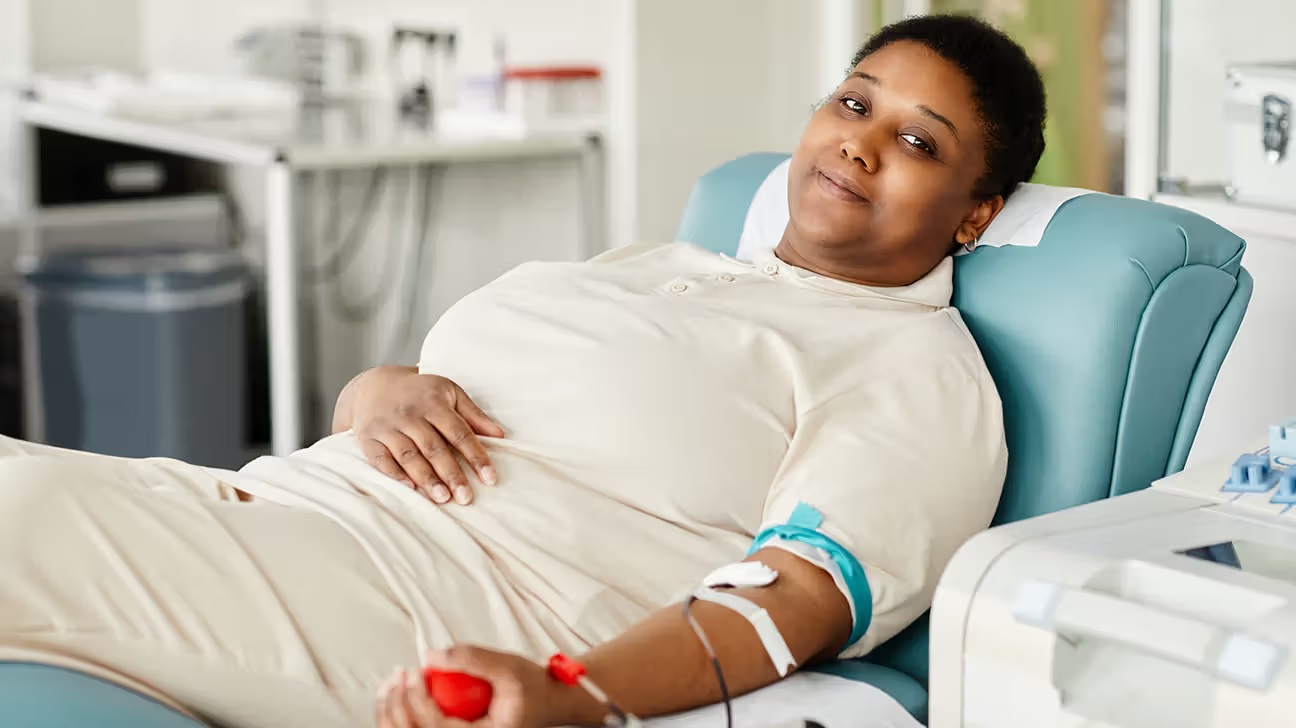
The plasma donation process can initially seem daunting, but by understanding what to expect, you can approach your donation with confidence. First, upon arrival at your chosen plasma donation center, you will need to register, presenting valid identification and completing paperwork that details your medical history and current health status. This precaution is essential for ensuring that your health is not compromised during donation and that your plasma is safe for recipients. After registration, you will undergo a physical examination, encompassing checks for blood pressure, pulse, temperature, and hemoglobin levels, confirming your fitness to donate. The actual donation process lasts about 30-60 minutes, during which blood is drawn, separated into its components, and plasma collected using a process called plasmapheresis. Donors can typically relax or engage in light activities during this phase. Post-donation, you will be monitored briefly to ensure your well-being before being allowed to leave the center.
Addressing Common Myths and Concerns About Plasma Donation
Despite the many benefits of plasma donation, misconceptions often deter individuals from participating. A prevalent myth is the notion that donating plasma is more painful than giving blood. In reality, while some may feel mild discomfort from the needle insertion, most donors express that the experience is manageable and brief. Additionally, concerns related to weakness or fatigue post-donation are common; however, centers ensure that donors are well-hydrated and have consumed adequate nourishment to minimize these risks. Some individuals worry that frequent donations might affect their health negatively; however, plasma regenerates quickly, often within 48 hours, allowing for regular donations with little to no adverse effects on health. Education is key, as understanding that plasma donation is a safe and regulated process can help dispel fear and encourage more people to become active donors.
Incentives and Rewards for Donating Plasma
The Financial and Personal Perks of Being a Donor
One of the significant incentives for plasma donation lies in the financial compensation offered by many donation centers. While not the primary motivation for most donors, this compensation can range from $20 to $50 per donation, depending on location and frequency of donation. Many centers have promotional offers for first-time donors, as well as loyalty programs that increase rewards the more one donates. Beyond financial compensation, the act of donating plasma brings an immense sense of personal fulfillment. Knowing you are contributing to saving lives and supporting individuals in urgent need fosters a profound emotional benefit. The selflessness of donating can cultivate a sense of community connectedness, as donors often find camaraderie with other donors and staff during their visits. Establishing friendships and participating in community initiatives led by donation centers can deepen this sense of belonging.
How Your Plasma Donation Supports Local Charities and Causes
Many plasma donation centers are not just focused on the immediate needs of patients but also form close relationships with local charities and health causes. When you donate plasma, your contributions can support various initiatives within the community. For instance, when centers partner with local hospitals, the impact of donated plasma goes beyond individual patients; it bolsters the local healthcare infrastructure as it provides essential medical resources. Some centers also direct part of their proceeds to charitable organizations that aim to improve health literacy, support medical research, or assist individuals in crisis. By choosing to donate plasma, you empower these nonprofit organizations and make a tangible difference in the lives of others, resonating with the very essence of community support and health advancement.