
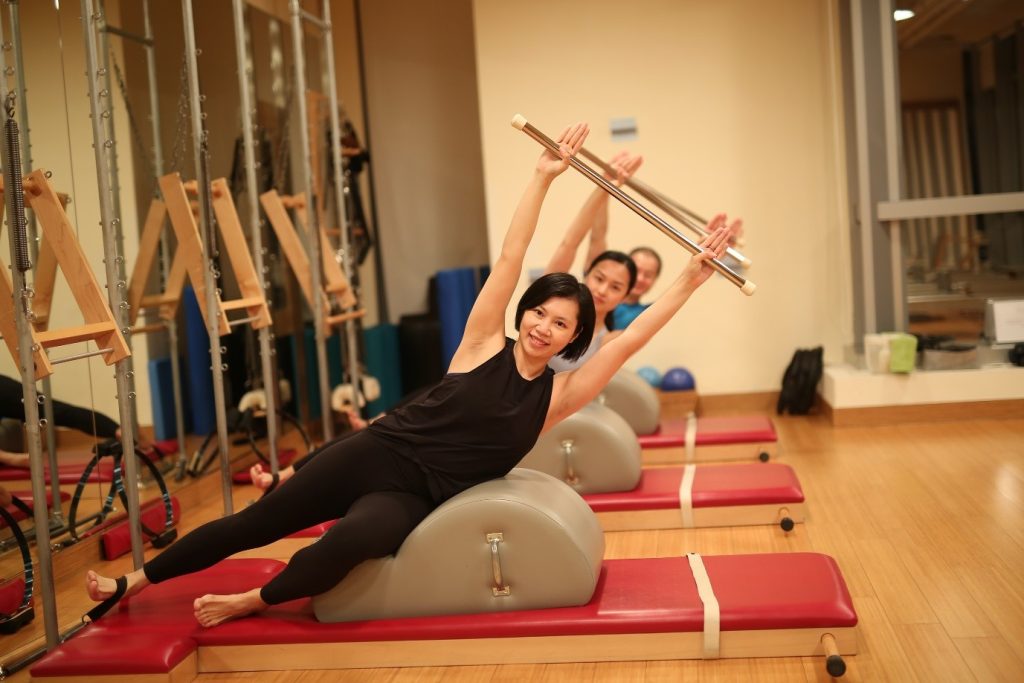

Good posture is not just about looking confident. It has a direct impact on spinal health, energy levels, and even long-term wellness. In a fast-paced city like Singapore, where long office hours and digital screen use dominate daily life, posture-related issues are common. More individuals are turning to holistic fitness practices such as pilates singapore to restore alignment, strengthen the spine, and build healthier movement patterns that last.
Why Posture Matters for Spinal Health
The spine is the central support system of the body, and posture is the way that system is maintained. Poor posture can compress spinal discs, tighten muscles, and strain ligaments. Over time, this results in chronic back pain, fatigue, and even reduced mobility.
In Singapore, the prevalence of sedentary jobs means that slouching shoulders and forward head posture are almost inevitable without intervention. Pilates addresses this problem at its root by retraining both muscles and the nervous system to find proper alignment.
How Pilates Supports Postural Alignment
Pilates is more than just a core workout. It is a mindful practice designed to integrate breath, concentration, and precise movements. Every exercise in Pilates engages the deep stabilising muscles of the torso, which directly support the spine.
Key ways Pilates helps improve posture include:
-
Core Strengthening: A strong core reduces pressure on the lower back and allows the spine to stay upright with less effort.
-
Muscle Balance: Pilates stretches tight muscles while strengthening weak ones, creating balance across the body.
-
Spinal Mobility: Exercises like spine stretch, roll down, and swan prep enhance flexibility and reduce stiffness.
-
Awareness of Alignment: Pilates encourages mindfulness of how the body sits, stands, and moves, making it easier to correct posture in daily activities.
Common Posture Problems in Singapore and Pilates Solutions
Everyday habits in Singapore contribute to posture-related issues. From hours spent on laptops in co-working spaces to extended use of mobile phones during commuting, the spine is constantly under pressure. Here are some frequent problems and how Pilates tackles them:
Forward Head Posture
A common result of looking down at devices, this posture strains the neck and upper back. Pilates strengthens the cervical spine and shoulder stabilisers through exercises such as chest expansion and neck nods.
Rounded Shoulders
Prolonged desk work tightens the chest muscles and weakens the upper back. Pilates counters this by opening the chest, engaging the rhomboids, and supporting scapular stability.
Lower Back Pain
Slouching and weak abdominal muscles are major contributors. Pilates builds core endurance with controlled movements like pelvic curls, leg slides, and bridge variations, easing the burden on the lumbar spine.
Hip Imbalance
Sitting for long hours creates hip tightness, which affects spinal alignment. Pilates stretches hip flexors and strengthens glutes to restore pelvic balance.
The Science Behind Pilates and Spine Health
Research supports the effectiveness of Pilates in managing spinal health. Studies have shown that consistent Pilates practice reduces back pain, improves spinal flexibility, and enhances functional posture. By focusing on the stabilising muscles of the trunk, Pilates activates the transversus abdominis and multifidus, which are essential for spinal support.
Pilates also integrates controlled breathing, which engages the diaphragm and deep core muscles simultaneously. This synergy strengthens the relationship between breath and movement, keeping the spine aligned even during high-intensity activity.
Benefits Beyond Physical Alignment
Improved posture through Pilates provides benefits that extend beyond the musculoskeletal system. Individuals often report better concentration, improved digestion, and deeper breathing once the body is properly aligned.
Additional advantages include:
-
Reduced headaches from tension in the neck and shoulders
-
Better circulation and reduced fatigue
-
Improved confidence in social and professional settings
-
Long-term protection against spinal degeneration
Who Can Benefit from Pilates for Posture
One of the best things about Pilates is that it caters to a wide demographic. Whether you are a student, an office professional, or a retiree, Pilates can be adjusted to suit your level.
-
Office Workers: To counteract hours of sitting and slouching
-
Athletes: To enhance functional strength and prevent injuries
-
Seniors: To maintain spinal mobility and independence in daily activities
-
Teenagers: To establish healthy movement patterns before poor posture becomes habitual
Practical Steps for Maintaining Good Posture with Pilates
Pilates does not stop at the studio. Incorporating its principles into daily life helps sustain posture improvements.
-
Take micro-breaks every 45 minutes to stretch or realign the spine.
-
Practice seated Pilates movements at your desk, such as gentle spine rotations.
-
Use pillows or cushions at home to support the natural curve of the spine.
-
Keep screens at eye level to avoid unnecessary neck strain.
Pilates in the Singapore Lifestyle
Living in Singapore often means balancing demanding work schedules with personal commitments. This makes time-efficient and effective exercise even more important. Pilates provides a practical solution by offering targeted sessions that deliver long-term results in posture and spinal health.
Studios across the city offer both mat and equipment-based classes, making it convenient for individuals to find a practice that matches their lifestyle. Over time, consistent practice not only improves alignment but also builds resilience against daily stressors.
Building a Sustainable Practice with Yoga Edition
For those looking to start or deepen their Pilates journey, it is crucial to choose a studio that focuses on technique, progression, and individual support. Yoga Edition provides structured Pilates programmes designed for all levels, helping participants achieve postural improvement and long-term spinal health in a supportive environment.
FAQ on Pilates for Posture and Spinal Health
Q1. How long does it take to see posture improvements with Pilates?
Most people notice subtle changes in 6 to 8 weeks of consistent practice, such as less tension in the back and shoulders. Significant alignment improvements can take 3 to 6 months.
Q2. Can Pilates help with scoliosis or spinal conditions?
Yes, Pilates can be adapted to support individuals with scoliosis or disc issues. However, it is important to work with a certified instructor who understands your condition.
Q3. Is mat Pilates enough to improve posture, or do I need reformer classes?
Both mat and reformer classes improve posture. Mat Pilates builds awareness and control, while reformer Pilates adds resistance for deeper muscle engagement. Many in Singapore choose to combine both.
Q4. Do I need to be flexible to start Pilates?
Not at all. Flexibility improves naturally with practice. Pilates meets you at your current fitness level and progresses steadily.
Q5. Can children and teenagers benefit from Pilates for posture?
Yes, starting young helps prevent poor posture from becoming ingrained. Teenagers who sit long hours for studies or gaming can especially benefit from learning spinal alignment through Pilates.