
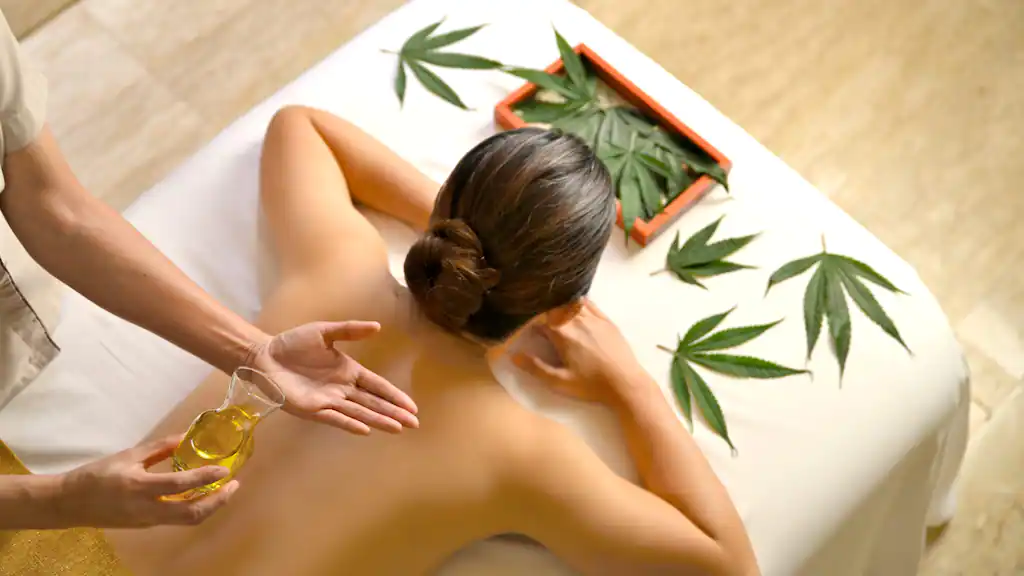

You want relief that lasts through real life, not just an hour on the table. The choice between a traditional massage and a session with a cbd massage therapist comes down to your goals, your sensitivities, and the way your body responds to touch and topical ingredients. This guide explains how each approach works, who benefits most, how to plan the session, and how to carry the gains into your week.
If you have never tried CBD in bodywork, think of it as a targeted topical that can complement skillful hands. Traditional techniques still do the heavy lifting for circulation, range of motion, and nervous system downshift. The topical can change comfort levels, muscle tone, and perceived pain while the therapist addresses mechanics. With a clear plan, you can decide whether to choose a cbd massage therapist, stick with traditional, or blend approaches without guesswork.
What a CBD Massage Therapist Actually Does
A cbd massage therapist performs familiar techniques, Swedish, deep tissue, sports, and myofascial work, while applying CBD infused oils, creams, or balms to specific regions. The therapy does not rely on force. It pairs touch with ingredients that may modulate sensation and inflammation locally.
How CBD is used during a session
- A light all over application to reduce general tension and discomfort.
- Targeted layering on problem areas such as quads, calves, low back, shoulders, or hands.
- Step up dosing by starting with a lower concentration for general coverage, then adding a higher strength balm on a stubborn spot.
What to expect on the table
- The same structured intake and consent you would expect in a traditional session.
- Familiar strokes and holds, often with slower pacing once a tight area begins to soften.
- A clean scent or unscented options for guests who are sensitive to fragrance.
Traditional Massage, The Proven Foundation for Movement and Calm
Traditional modalities remain the core of effective bodywork. The benefits are well known. Increased circulation, improved lymph flow, restored joint play, calmer breathing, and less guarding from the nervous system. If you love the feel of steady hands and a predictable flow, you already know why this works.
When traditional alone is a strong fit
- You prefer a clean, product light session and respond well to careful pressure.
- Your main goal is relaxation so you can sleep deeply after travel or training.
- You want to evaluate a new therapist’s touch before adding extras.
The Mechanisms, Why CBD Might Change Your Experience
CBD topicals do not aim to sedate you. They help by interacting with local receptors in the skin and tissues. While individual responses vary, many guests describe easier acceptance of pressure on sensitive zones and a more comfortable afterglow.
Practical ways the topical can help
- Perceived pain reduction that allows productive depth without bracing.
- Local relaxation of stubborn areas so the therapist uses less force.
- Calming of skin that gets reactive with friction or heat.
What CBD will not do
- It will not make you feel altered or high. Topicals are designed for local action.
- It is not a cure for structural problems that need medical care.
- It does not replace informed technique or communication.
Choosing by Goal, Pain, Sleep, or Stress
Decide based on your top outcome for the day. The best choice is the one that supports that single goal with the least friction.
Pain and stubborn tension
Choose a cbd massage therapist if:
- You have one or two hot spots that never quite let go during standard deep tissue.
- You tend to brace when pressure increases and want a gentler path to depth.
- You are recovering from repeated descents, long drives, or heavy shoulder use.
Choose traditional if:
- Your pain responds quickly to careful hands and steady breath coaching.
- You want to evaluate mechanics first, then add topicals in a future visit.
Sleep and nervous system reset
Choose CBD if:
- Racing thoughts or jaw clenching keeps you awake after hard days.
- You are historically sensitive to touch and want a smoother glide into calm.
Choose traditional if:
- You sleep well after rhythmic Swedish work and a warm shower.
- You prefer a familiar, minimalist approach with no added products.
Stress and mood balance
Choose CBD if:
- You carry stress in small joints and connective tissues that feel prickly with friction.
- You want a softer edge on perception so the session feels nurturing rather than intense.
Choose traditional if:
- You enjoy the ritual of hands only work, slow music, and breath pacing.
- Your stress eases as soon as the room gets quiet, with no extras needed.
Ingredient Quality, Potency, and Scent, Details That Matter
Topicals are not interchangeable. Better inputs create better outcomes.
What to ask before you book
- Potency per milliliter and total milligrams in the bottle.
- Ingredient list with clear plant oils, waxes, and minimal fragrance.
- Availability of unscented options for sensitive skin or scent free preferences.
Sensory preferences to note
- Texture, light oils glide well for full body work, thicker balms stay where you need them.
- Scent, mint and herbal notes can feel cooling, unscented keeps focus on touch.
- Temperature, some balms provide a mild warming or cooling effect. Ask to test a small area first.
Safety, Allergens, and Workplace Considerations
Your safety plan is simple. Share information early and build a session you can relax into.
Who should consult and possibly skip CBD topicals
- People with known allergies to hemp or specific carrier oils.
- Guests with extremely reactive skin that flares with any new topical.
- Anyone under guidance to avoid new products due to a recent dermatologic procedure.
Workplace drug testing
-
High quality CBD topicals are designed for local action. Systemic absorption is very low. Policies vary, so if you are tested at work and feel any concern, choose an unscented traditional session. You can revisit CBD in the future when you are comfortable.
Session Planning, Put the Right Work in the Right Order
Sequence affects outcomes. Use this simple structure whether you choose traditional, CBD, or a blend.
Pre session
- Hydrate and eat a small snack one hour before your appointment.
- Share your top outcome and any do not touch zones.
- Ask to test a small patch of CBD product if it is new to you.
During the session
- Begin with rhythmic work to settle the nervous system.
- Layer targeted CBD only where it serves your goal, not everywhere by default.
- Pause for two slow breaths when a tight area softens. This helps your body integrate change.
After the session
- Sip water across the afternoon, not all at once.
- Take a ten minute walk to keep joints moving and circulation steady.
- Sleep eight hours. Recovery compounds when you rest.
Pressure and Pain Scales, Make Communication Easy
A shared language turns guesswork into precision. Use a simple scale while you are on the table.
- 0 to 1, no sensation, barely aware.
- 2 to 3, pleasant pressure that calms the mind.
- 4 to 5, therapeutic intensity, you can breathe and stay relaxed.
- 6 or more, your body braces, ask the therapist to back off.
Aim to keep most work in the 3 to 5 range. Precision beats force. If CBD helps a sensitive area feel like a 4 instead of a 6, the session becomes more productive without soreness the next day.
Real World Scenarios and Smart Choices
Examples make planning clear and repeatable.
The descent heavy weekend legs
- Pattern, quads are tight, knees complain on stairs, calves feel ropey.
- Plan, choose a cbd massage therapist for targeted balm on quads and calves, then sports style flushing and ankle joint play. Keep pressure moderate and steady.
- Takeaway, you leave with easier steps and less next day stiffness.
The driver’s neck and shoulder knot
- Pattern, long mountain drives and laptop time. Tight traps and jaw, headaches late in the day.
- Plan, traditional work with careful pec and neck release, plus optional CBD on upper traps and jaw line if pressure usually feels sharp.
- Takeaway, taller posture, better breathing, fewer end of day aches.
The sleep seeker on arrival day
- Pattern, travel day fatigue and altitude buzz make it hard to wind down.
- Plan, Swedish foundation, slower pacing, quiet room, optional CBD on scalp and feet only if scents are tolerated.
- Takeaway, your body downshifts so you sleep through the night.
Who Should Blend Both Approaches
Many guests do well with a hybrid. You do not need to pick a side for life.
A clean and effective blend
- Start with traditional Swedish for nervous system calm.
- Add CBD only to two or three zones that historically resist pressure, for example IT bands, calves, or low back.
- Finish with unhurried holds around the neck and jaw, focusing on breath.
This blend avoids overcomplication. You get the structure of a classic session with targeted help where it counts.
Intake and Goal Setting, The Small Conversation With Big Impact
The first five minutes guide the next ninety. Share clear, useful details.
What to tell your therapist
- Your single top outcome, sleep, relief, or calm focus.
- Exact locations that act up, and movements that provoke them.
- Sensitivities, fragrance, pressure, or product textures that you dislike.
- Travel or activity plans that affect pressure choices, for example a big hike tomorrow.
Boundaries to set
- Areas to skip altogether.
- Maximum pressure you enjoy.
- Whether conversation is welcome or you prefer quiet.
Aftercare, Keep Gains Longer With Four Simple Habits
You do not need an elaborate routine. Consistency matters more than complexity.
- Hydrate across the afternoon and add electrolytes if you are a salty sweater.
- Do ten slow calf raises, ten toe lifts, and one minute of hip flexor stretch before bed.
- Keep the room cool and dark. Aim for eight hours of sleep.
- Avoid heavy lifting the same evening if your session included deeper myofascial work.
Cost, Value, and How to Decide Without Overthinking
CBD sessions can cost slightly more due to product quality and time. Decide based on value, not price alone.
When the extra cost is worth it
- A small number of zones dictate your comfort and they respond poorly to standard pressure.
- You want a softer path to depth without lingering soreness.
- You are managing a training block, and small improvements in recovery make a real difference.
When traditional is the better value
- You sleep deeply after classic Swedish and wake up loose.
- Your body accepts focused pressure without guarding.
- You prefer a product light experience.
Build Your Personal Experiment, Two Visits That Teach You What Works
Testing removes doubt. Plan two sessions and compare objective markers.
Visit one, traditional control
- Choose the therapist and modality that normally help you.
- Track stairs comfort, neck rotation, and sleep that night.
- Note morning mobility and mood.
Visit two, targeted CBD
- Repeat the same structure with CBD layered on your top two hot zones.
- Recheck stairs, neck rotation, and sleep.
- Decide whether the added comfort and carryover justify the product.
Special Populations and Adjustments
A few groups benefit from simple changes in plan.
Prenatal and perinatal guests
- Use side lying or bolstered positions and gentle pressure.
- Choose unscented products unless your provider approves and you are comfortable.
- Focus on circulation, low back ease, and calm breathing.
Sensitive skin and scent sensitive guests
- Test a small patch before committing to full area application.
- Request fragrance free or skip topicals entirely. A skilled therapist can still deliver excellent outcomes.
Endurance athletes
- Book CBD on the heaviest training days when legs and shoulders are reactive.
- Use traditional work during deload weeks to reinforce joint play and calm.
Decision Tree, A Quick Way to Choose Today
Answer three short prompts. Your result will be clear without overthinking.
- Is your primary goal pain relief in one or two specific zones. If yes, choose a cbd massage therapist and keep pressure moderate.
- Is your primary goal deep sleep and general calm. If yes, choose traditional Swedish with slow pacing. Add CBD to scalp or feet only if you already know you enjoy it.
- Do you brace at moderate pressure during deep tissue. If yes, try a hybrid with CBD on problem areas to allow depth without guarding.
Frequently Asked Questions, Practical Answers You Can Use Now
These questions cover points not fully addressed above so you can book with confidence.
Will CBD topicals make me feel altered or drowsy for the drive home.
No. Topicals are designed for local action. Most guests feel relaxed but alert. If you are very sensitive to any topical, start with a small area and see how you feel before full application.
Can I pass workplace screenings after a CBD topical massage.
Policies and products vary. High quality topicals aim for local effects with minimal systemic absorption. If you are concerned, choose an unscented traditional session. You can revisit CBD later when policies are clear.
How quickly should I expect relief during the session.
Some people feel a softer edge on pressure within minutes of application. Others notice the difference later that day, especially around the knees, calves, or low back. Lasting relief depends on sleep, hydration, and movement after the table.
Are there scent free CBD options for sensitivities.
Yes. Ask for unscented products or very light herbal profiles. You can also request CBD only on covered areas, such as quads and low back, and keep neck and face fragrance free.
Can CBD be combined with deep tissue, cupping, or myofascial release.
Yes. Many therapists blend techniques. CBD can make precise work feel more approachable. Keep intensity in the therapeutic range, not the grimace range.
What if I am new to massage and nervous about products on my skin.
Start with a traditional session. If you feel curious, add a small patch of CBD on one calf or one shoulder and evaluate comfort. You remain in control of what goes on your skin.
Does a CBD session help jaw clenching and tension headaches.
It can. Light application along the jaw line and upper traps, combined with careful neck work and breath pacing, often reduces clenching. Share any history of headaches at intake so pressure stays gentle around sensitive areas.
How should I time a session around hot springs or saunas.
Allow at least thirty to sixty minutes between a hot soak and your appointment. After a CBD session, wait until the next day for extended heat so hydration and calm are not cut short.
What should I change if I tend to bruise easily.
Ask for gliding cups instead of parked cups if cupping is used. Favor slower, patient pressure over heavy force. CBD can support comfort, but communication about intensity is still key.
Can I book CBD for only the second half of a long session.
Yes. Begin with traditional work to open tissue, then add CBD during focused work on your priority zones. This often gives the best of both approaches.
How do I know if CBD made the difference or it was just a good massage.
Use a simple scorecard. Rate stairs comfort, neck rotation, and sleep on a 1 to 10 scale after a traditional visit, then after a CBD visit. Small, repeatable improvements point to a meaningful effect.
Choose the approach that matches your top goal, communicate clearly, and keep aftercare simple. Whether you work with a cbd massage therapist, stick with traditional, or blend both, the right plan makes relief feel natural and repeatable.