
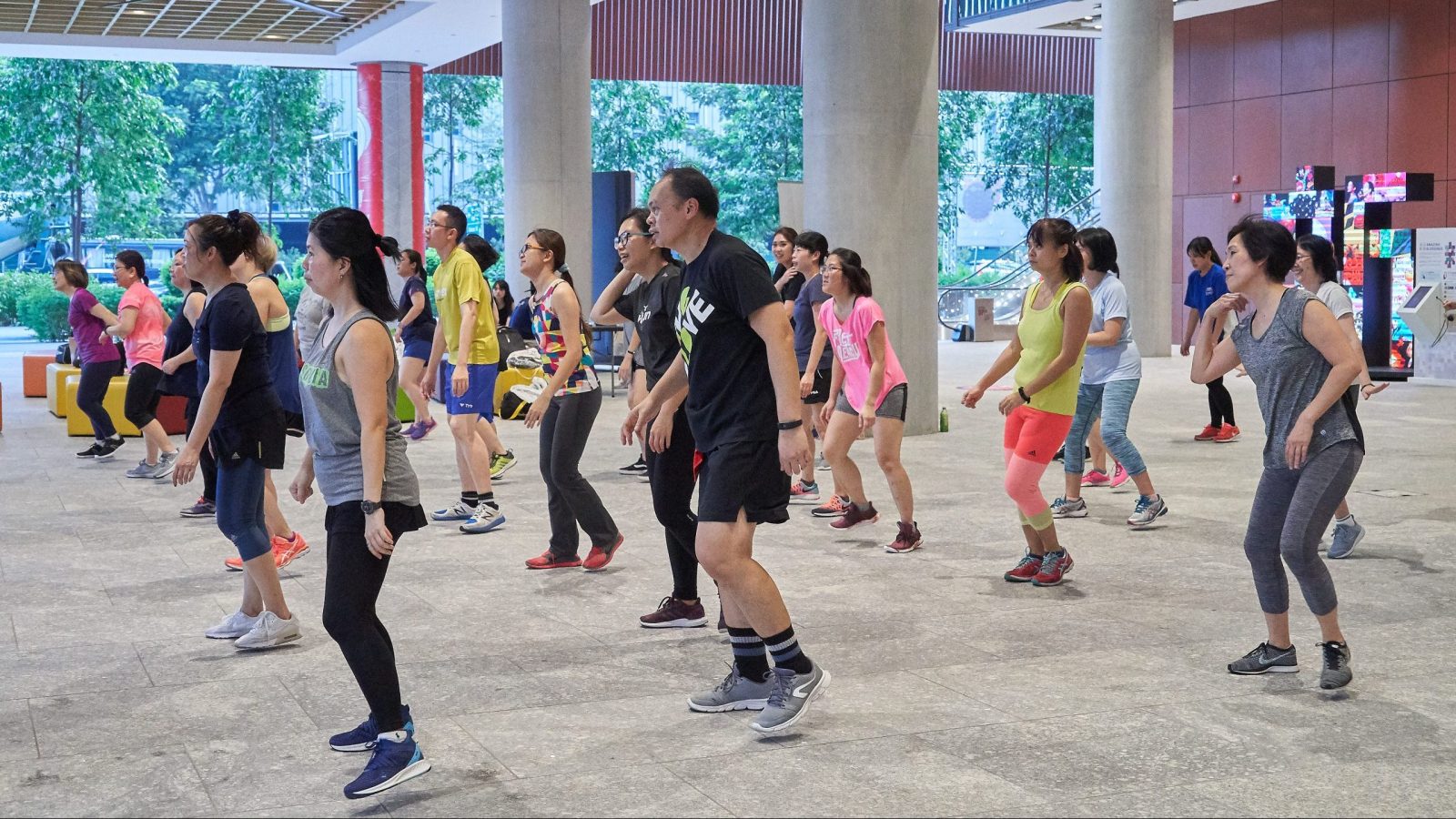

When you search for zumba classes near me, you will quickly realise that there are many options available in Singapore. Each class looks vibrant, energetic, and fun, but not all of them may suit your personal needs, fitness goals, or schedule. Selecting the right Zumba class goes beyond location. It involves understanding your fitness level, the type of Zumba being offered, the instructor’s expertise, the facilities available, and even the community you will be joining. This detailed guide walks you through how to make the right choice and maximise your experience.
Understanding the Basics of Zumba
Zumba is a dance-inspired fitness programme that combines Latin and international music with easy-to-follow choreography. Classes usually run between 45 to 60 minutes and incorporate cardio, muscle conditioning, balance, and flexibility. The high-energy sessions are designed to burn calories while boosting mood and confidence.
While Zumba looks like pure dance fun, it is structured to deliver real fitness results. It is suitable for beginners and advanced participants alike because each routine can be adjusted in intensity. This makes it one of the most versatile group fitness options for people across different fitness levels.
Why Choosing the Right Class Matters
Zumba is effective only when you consistently enjoy it and keep coming back. If you choose a class that does not align with your schedule, energy level, or preferences, it may be harder to stick to the routine. The right class ensures you feel motivated, safe, and supported. It also helps you make social connections, which play a big role in long-term commitment.
In Singapore, classes vary widely in size, setting, and specialisation. Picking the right fit saves you time and keeps you excited about your fitness journey.
Different Types of Zumba Classes
Zumba is not a one-size-fits-all programme. There are several variations, each designed with a different focus. Understanding these types can help you pick a class that matches your goals.
Zumba Fitness
This is the classic format most people know. It involves a mix of dance styles such as salsa, merengue, reggaeton, and cumbia. The routines are easy to follow and emphasise calorie burning and cardiovascular health.
Zumba Gold
Created for older adults or those with limited mobility, Zumba Gold uses lower-impact moves with the same lively music. It is gentler on the joints but still effective in improving stamina and coordination.
Zumba Toning
If you want to add strength training, this class incorporates light weights or toning sticks to sculpt muscles while dancing. It is a great option for those aiming to combine cardio with resistance training.
Aqua Zumba
Held in swimming pools, Aqua Zumba blends dance fitness with water resistance. It is especially beneficial for people with joint issues or anyone who enjoys water-based workouts.
Strong Nation (formerly STRONG by Zumba)
Unlike the dance-focused styles, Strong Nation combines high-intensity interval training with music. It focuses on strength, endurance, and agility.
Each of these classes is available in Singapore at different locations, and understanding the variations helps you avoid signing up for the wrong format.
Factors to Consider When Searching for Zumba Classes Near You
Location and Accessibility
While the keyword “near me” highlights convenience, sometimes the nearest option may not be the best. Consider whether the class is close to your home, office, or a place you frequently visit. In a city like Singapore, proximity to MRT stations and bus routes is also crucial.
Instructor Experience
A qualified instructor brings more than choreography. They know how to adjust moves for beginners, ensure safety, and create a motivating environment. Look for instructors certified by Zumba’s training programmes and check if they have experience in handling different groups.
Class Size and Atmosphere
Large classes may feel energetic but might lack personal attention. Smaller groups offer a more intimate setting where the instructor can monitor form and progress. Decide which environment motivates you more.
Facilities and Amenities
The quality of facilities can greatly impact your comfort. Consider ventilation, cleanliness, flooring type, locker rooms, and availability of water stations. Well-maintained studios make workouts safer and more enjoyable.
Schedule and Timing
Consistency is key in fitness. Choose a class that fits easily into your weekly routine. Many studios in Singapore offer early morning, lunchtime, and evening slots to cater to working professionals.
Price and Membership Options
Zumba is generally affordable, but prices vary depending on the studio or gym. Some offer drop-in rates while others require memberships. Compare options and look for free trials before committing.
Benefits of Joining the Right Zumba Class
When you join a class that suits your lifestyle and fitness level, you enjoy a range of benefits:
-
Improved cardiovascular health through sustained aerobic activity
-
Weight management by burning calories in a fun way
-
Enhanced coordination and balance from dance movements
-
Stress reduction due to music and group activity
-
Social connections that make fitness a shared journey
These benefits extend beyond the physical, as the positive environment helps with mental wellbeing and motivation.
Tips for First-Timers
Starting a Zumba class can feel intimidating, but preparation helps.
-
Wear comfortable workout clothes and supportive shoes designed for dance or aerobics.
-
Bring a water bottle and towel.
-
Stand closer to the front if you want a clearer view of the instructor.
-
Do not worry about mastering every move. The aim is to keep moving and enjoy the process.
-
Arrive early to familiarise yourself with the studio.
Most importantly, remember that Zumba is about joy, not perfection.
The Role of Community in Zumba
One reason Zumba has grown globally is the sense of community it builds. In Singapore, many participants see their classes as more than exercise. They form friendships, attend events together, and even celebrate milestones as a group. This social aspect increases accountability and makes it easier to maintain long-term commitment.
When choosing a class, look for signs of community. Do people stay back to chat after class? Does the studio organise events? A supportive community will make your fitness journey more rewarding.
Leveraging Technology to Find Zumba Classes
In today’s digital world, it is easier than ever to locate and compare classes. Fitness apps, Google Maps, and social media pages often highlight local Zumba schedules. Reviews can provide insight into class quality and atmosphere. Some studios also offer virtual classes, allowing you to try sessions at home before committing to in-person classes.
True Fitness Singapore and Zumba Opportunities
For those seeking structured fitness with access to experienced instructors and well-maintained facilities, True Fitness Singapore provides a supportive environment. With a range of classes, professional trainers, and a focus on community, it is one of the places where you can explore Zumba as part of a broader fitness journey.
FAQs
Q. Do I need to know how to dance before joining a Zumba class?
A. No. Zumba is designed for all levels. The moves are repetitive and easy to follow. Over time, you naturally become more coordinated.
Q. Can Zumba replace regular gym workouts?
A. It depends on your goals. For cardiovascular health and calorie burning, Zumba is excellent. If you aim to build significant muscle strength, it should be combined with resistance training.
Q. How many times a week should I attend Zumba classes?
A. Three to four sessions per week is ideal for noticeable results. Beginners may start with two classes and gradually increase frequency.
Q. What if I have knee or joint pain?
A. Opt for Zumba Gold or Aqua Zumba, which are lower-impact. Always inform the instructor about your condition so modifications can be suggested.
Q. Is Zumba suitable for teenagers?
A. Yes, many studios allow teenagers to join regular classes. Some even offer special youth-friendly versions. Always check the minimum age policy at your chosen venue.
Q. What should I eat before and after a Zumba class?
A. Have a light meal or snack such as fruit or a protein bar 1-2 hours before class. After the session, refuel with a balance of protein and carbohydrates to support recovery.