
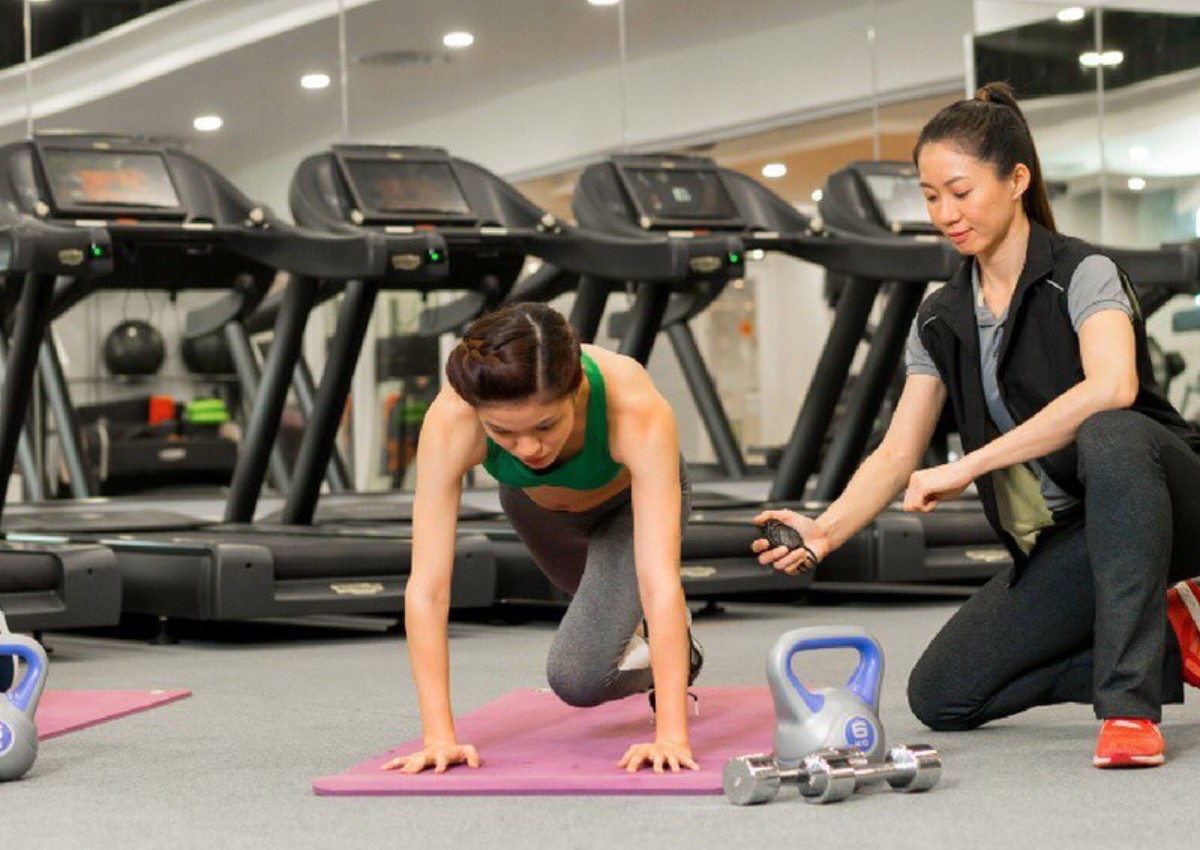

When people think of fitness expenses, they often only consider the upfront monthly or annual cost of joining a gym. Yet when you take a deeper look at the economics of a gym membership Singapore, it becomes clear that it is not just a recurring bill but a long-term investment into your health, lifestyle, and overall well-being. In Singapore, where healthcare costs are steadily rising and busy urban living takes a toll on physical fitness, the value of a structured membership often outweighs its price tag.
Understanding how to evaluate the true cost and benefit of a membership allows individuals and families to make informed choices, ensuring they are not just spending but investing wisely in their health journey.
Comparing the Cost of a Gym Membership with Healthcare Spending
The average gym membership in Singapore varies depending on location, facilities, and the type of package chosen. Some individuals may initially see it as a discretionary expense. However, when compared against the financial burden of chronic conditions like diabetes, obesity-related complications, or high blood pressure, a membership cost can be seen as preventive healthcare.
Healthcare bills in Singapore can be significant. According to national statistics, the cost of managing chronic illnesses can range from a few hundred to thousands of dollars annually. A membership that encourages consistent exercise can dramatically reduce these risks, translating into substantial financial savings in the long run.
Preventive vs Curative Costs
-
Preventive costs include gym fees, healthy nutrition, and wellness habits.
-
Curative costs include doctor consultations, hospital stays, medication, and surgeries.
When you break it down, preventive expenses are often lower and easier to manage than curative ones, making memberships a cost-efficient choice.
The Hidden Value of Structured Exercise
Joining a gym is not just about having access to machines. It is about gaining structure and accountability, both of which are crucial in sustaining long-term health. Unlike at-home fitness routines, gyms provide an environment designed for consistency, which improves results and reduces drop-off rates.
Structured exercise also ensures variety. Members have access to multiple types of workouts that target different health outcomes, from cardiovascular health and strength training to flexibility and mobility. Over time, this reduces the likelihood of injuries and builds resilience against age-related decline.
The Time Factor in Singapore’s Fast-Paced Lifestyle
One of the biggest challenges faced by working professionals in Singapore is time. Many underestimate how much time they waste when trying to piece together their own fitness schedules, searching for online workouts, or improvising at home.
A membership provides instant structure. With pre-scheduled classes, designated workout spaces, and professional staff available for guidance, individuals save time while ensuring maximum effectiveness. In economics, this is the concept of “opportunity cost” — the value of what you give up when choosing one option over another.
By investing in a membership, you are reclaiming hours that would otherwise be wasted, while also ensuring you achieve results that align with your health goals.
Corporate and Insurance Incentives
In recent years, companies and insurance providers in Singapore have recognised the value of preventive healthcare. Many now offer partial reimbursements or subsidies for memberships, making it even more affordable.
Corporate wellness programmes often include subsidised memberships, because employers know that fitter employees take fewer sick days and maintain higher productivity. Similarly, some insurance companies offer premium discounts to individuals who demonstrate healthy lifestyle habits, such as regular gym attendance.
Benefits for Employees and Employers
-
Reduced absenteeism and improved focus at work
-
Stronger team bonding through group fitness activities
-
Long-term cost savings for insurance claims
These added benefits strengthen the financial case for taking up a membership.
Social and Mental Health Dividends
Economics is not just about numbers. The social and emotional benefits of fitness also carry financial value. Memberships create a sense of belonging, reducing loneliness and stress levels, which in turn improves overall productivity in personal and professional life.
Stress-related illnesses, such as insomnia, anxiety, and depression, are costly both in terms of medical care and lost productivity. By engaging in regular exercise within a gym environment, members can mitigate these issues, leading to lower healthcare expenses and higher quality of life.
Cost Efficiency in Family Memberships
For families in Singapore, memberships often come with bundled packages or add-ons. While the initial price may seem higher, the combined value is greater when compared to enrolling in multiple standalone activities for each family member.
Children’s classes, senior-friendly sessions, and shared access to facilities ensure that one membership caters to the entire family’s fitness needs. In economic terms, this is a case of economies of scale — the more you use the service across family members, the lower the effective cost per person.
Long-Term ROI of Fitness Memberships
Return on investment (ROI) is a core economic principle. To measure ROI for a membership, you need to consider not just immediate health improvements but also long-term outcomes such as reduced medical bills, higher energy levels, and better work performance.
For instance, regular strength training can improve bone density, lowering the risk of osteoporosis later in life. Cardio fitness reduces the chance of heart disease, while flexibility and balance classes reduce injury risk. These benefits accumulate over years, making the ROI of a membership highly favourable.
When a Membership is Not Worth the Cost
While the benefits are clear, it is important to acknowledge situations where a membership may not be cost-effective. This occurs when:
-
An individual signs up but rarely attends.
-
The chosen package does not align with personal fitness goals.
-
The gym is too far from home or work, reducing consistency.
To avoid wasted costs, individuals should carefully evaluate their lifestyle and choose packages that match their needs.
Digital and Hybrid Membership Models
Singapore has seen the rise of hybrid memberships that combine physical gym access with digital platforms. These options are often more cost-effective, allowing individuals to train in the gym while also accessing live-streamed or on-demand workouts from home.
This flexibility increases the overall value of the membership and ensures that individuals can maintain consistency even when travel, work, or family responsibilities get in the way.
The Role of Premium Facilities and Support
Some memberships may seem more expensive upfront because they include premium facilities such as swimming pools, saunas, or specialised classes. While this may not appeal to everyone, individuals who regularly use these services often find that they save money compared to purchasing them separately.
Additionally, professional guidance, such as personal training consultations or nutrition advice, can prevent injuries and accelerate results, making the overall package more efficient and cost-saving in the long run.
Case Example: Lifestyle Upgrade with a Membership
Consider a working professional who spends hundreds each month on takeaway food and medical consultations for stress-related fatigue. By redirecting part of that budget toward a gym membership, the professional gains healthier routines, improved energy, and reduced stress, ultimately cutting medical bills and improving work performance.
This illustrates how a membership is not just an added expense but a lifestyle upgrade with financial and personal rewards.
Choosing the Right Membership in Singapore
To ensure maximum value, individuals should:
-
Compare contract flexibility, especially regarding freezing or transferring memberships
-
Consider proximity to home or workplace for convenience
-
Evaluate the variety of classes included
-
Ask about family or corporate discounts
-
Assess whether premium facilities justify the cost
A well-chosen membership can serve as a lifelong health partner, rather than a short-term expense.
Strengthening the Case with Real-Life Savings
Real-life examples show that consistent gym-goers often save more in healthcare costs compared to those who remain inactive. A balanced membership habit can reduce risks of costly conditions such as cardiovascular disease, Type 2 diabetes, or musculoskeletal injuries. Over decades, the accumulated savings become substantial.
By viewing a membership through this economic lens, individuals in Singapore can make smarter, more strategic choices that benefit both their wallets and their health.
For those who want to explore memberships with flexibility and premium support, TFX Singapore offers an experience that integrates convenience, expert guidance, and variety for all lifestyles.
FAQs
Q. Is a gym membership in Singapore tax-deductible?
No, memberships are not tax-deductible. However, corporate and insurance benefits can indirectly reduce costs.
Q. How can I make sure I get the most value out of my membership?
Consistency is key. Use the facilities regularly, attend different types of classes, and take advantage of support services like coaching or workshops.
Q. Can short-term memberships still provide financial benefits?
Yes, especially for expats, travellers, or students. Even a few months of structured training can prevent injuries and improve fitness levels, reducing costs in the long term.
Q. Are premium memberships always worth it?
They are worth it only if you actively use the additional services like pools, saunas, or specialised classes. Otherwise, a standard package may be more cost-effective.
Q. What is the opportunity cost of not joining a gym?
The opportunity cost is higher long-term spending on healthcare, lower productivity, and missed chances for improved quality of life.